As a dermatologist, I’m a firm believer in evidence based medicine. We study dermatological issues and their treatment options throughout our training. We study molecules used in skin or hair care products religiously, reading the research available on them, which active ingredient works, how they work, the dosage, their benefits and side effects and how effective they can be for a particular condition.
Therefore, I personally do not advised nor can I validate the popular culture of “DIY” (do it yourself) or home remedies for skin or hair care.
Yes, dermatologist keep saying that the basics to skin care are ABC (Vitamin A, Vitamin B, Vitamin C), and many of the active ingredients used in skincare are plant derived, this can be confusing to many of us. One can find the “ABC’s” easily in one’s kitchen, pantry, or garden so why shed your money buying expensive products containing the same?
Let me break it down for you in simple terms:
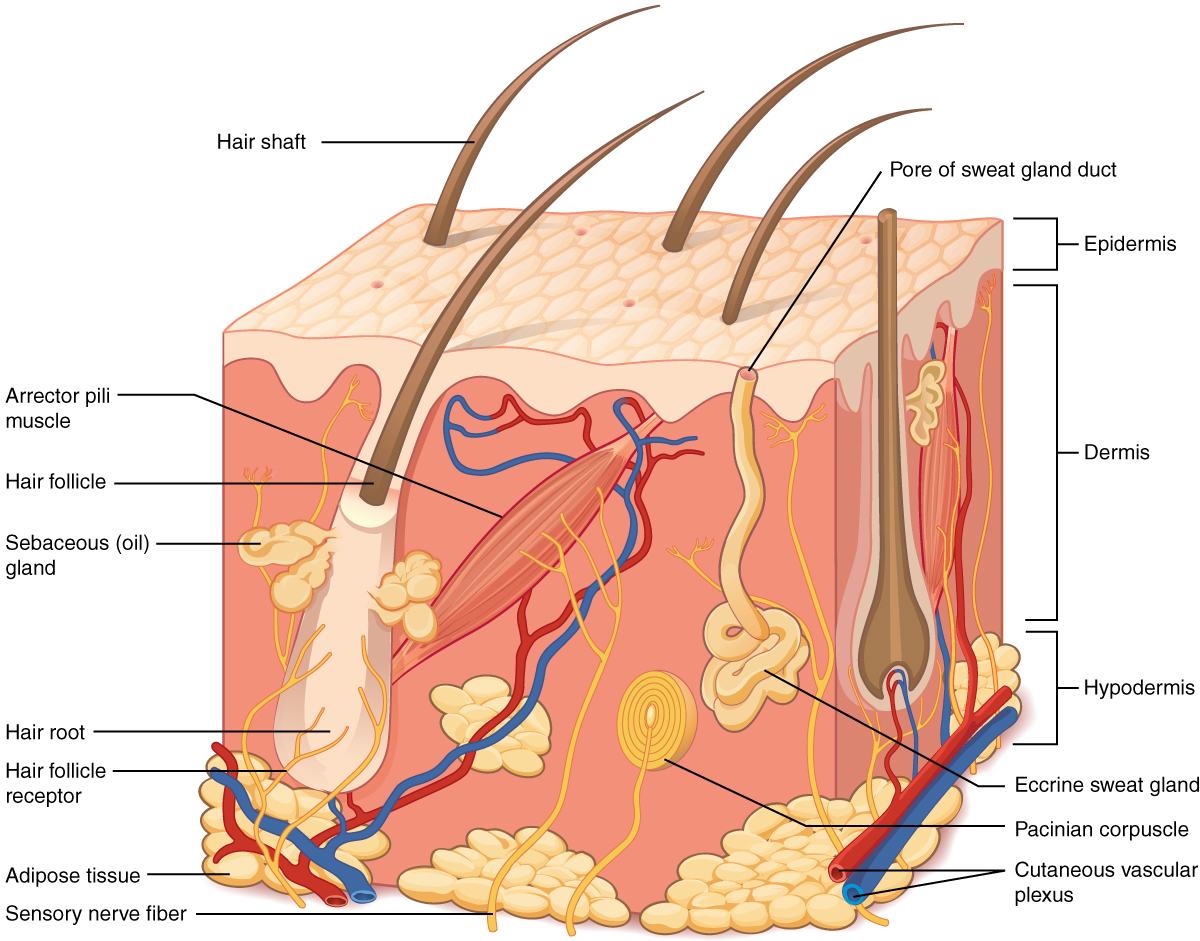
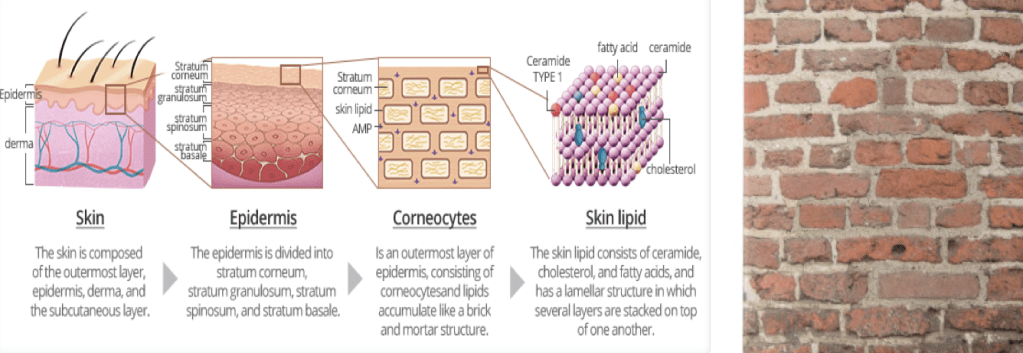
The skin has three layer, the epidermis (uppermost), the dermis (middle) and the subcutaneous tissue (fat and lowermost). the diagram on the right is the epidermis, which is composed of several layers.
The upper layer of the skin (epidermis) is described as resembling a “brick and mortar” structure.
The main function of the skin is acting as a barrier, protecting our body from various environmental substances and it does a pretty good job at it too.
This means many of the DIY’s of tomato paste, lemon juice, etc may not even be able to reach the inside of your skin through that “brick wall” to perform the functions you are expecting them to do.
This is why we have well formulated creams, ointments, serums etc because they contain other agents that help deliver the desired active ingredient (be it vitamin A, B or C etc) to cells in the skin.
Secondly, vitamins are present in various forms, for example for vitamin A we have beta carotene, retinol, retinal, and the most active form retinoic acid. Retinoic acid is the one that binds to receptors present in the cells of our skin to bring about beneficial changes such as anti ageing, anti acne etc.
Simply applying a paste of vitamin A rich fruits such as papaya does not achieve the same result, because vitamin A in fruits & vegetables are in the form of beta carotene.
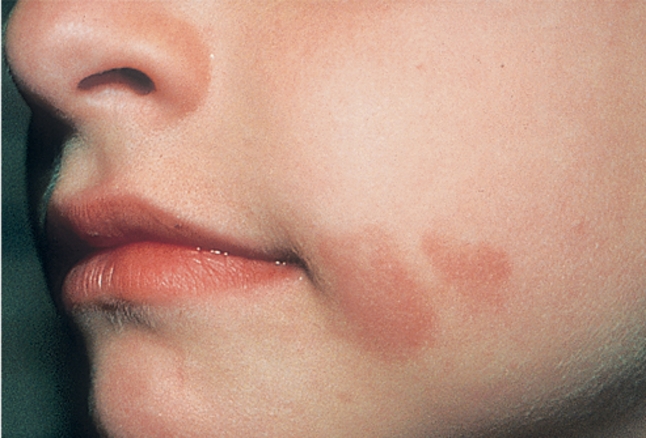
Thirdly, DIY,s could potentially be doing more harm than good. A common example is a condition called “PHYTOPHOTODERMATITIS” where patients develop an irritant dermatitis when the skin is exposed to certain plants/citrus fruits and sunlight.
Patients develop a red rash on areas of exposure, burning sensation and may develop fluid filled lesions as well. The rash would then heal with pigmentation.
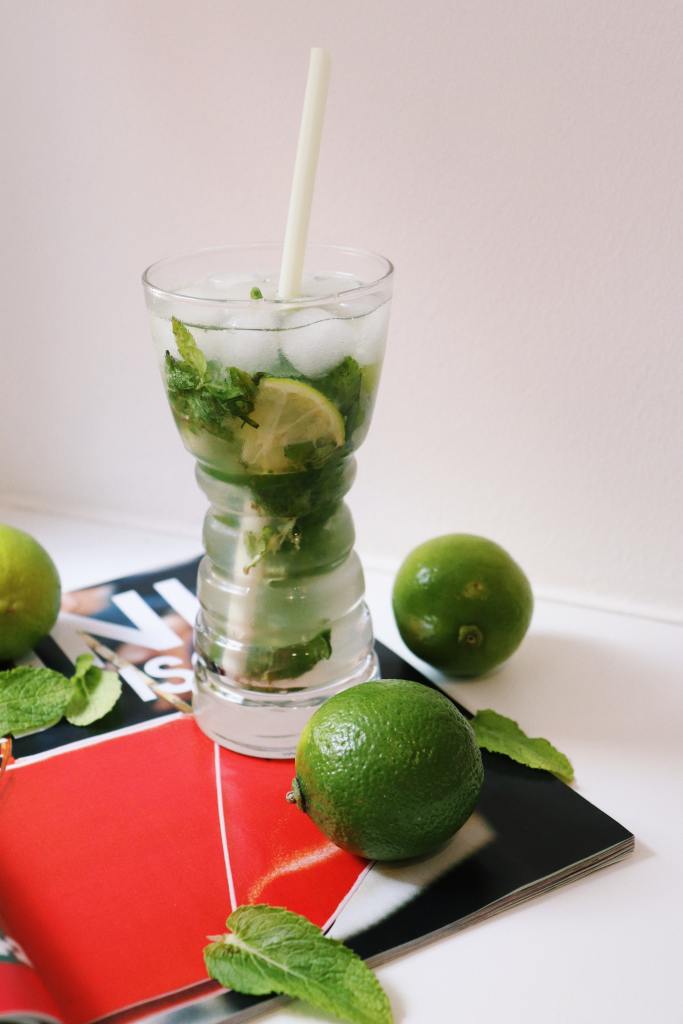
Left image is also called “Margarita burn” -phytophotodermatitis due to the limes present in a margarita cocktail followed by sun exposure. Right image– pigmentation left behind when the irritation subsides.
Just because DIY/Home remedies are all natural does not necessarily mean they are completely harmless and safe
Lastly, even though some skin care products use active ingredients such as various forms of vitamin A, B or C, they have been extensively researched in the labs, animal and human studies. Scientists study the active form of these vitamins, the strength at which these ingredients that have been proven to be effective to produce a desired effect (eg: niacinamide- vit B3, strength of at least 4 % works to reduce pigmentation, repair skin barrier, vitamin C of 20% works as an anti-oxidant, anti ageing, salicylic acid of at least 2% helps unclog pores and so on and so forth).
Simply grinding vegetables, or whisking eggs making a paste for your skin, is not going to achieve the same result
How does one know the strength of the vitamin present in that paste?
Yes, Cleopatra may have bathed in milk to maintain a beautiful youthful skin. We now know that milk has lactic acid which helps in exfoliation of the skin, and we have products designed particularly for that now with or without lactic acid, so people wont have to be bathing in milk for a glowing youthful skin.
The only time dermatologist advised on using ingredients available at home is for coconut oil. We advised coconut oil application for patients with conditions causing dryness of their skin, who are not able to afford regular moisturisers.
Consuming fruits and vegetables provides you with more nutrients that can be beneficial for skin & hair rather than external application of various DIY concoctions of eggs/lemons/mango etc
I’ve been slacking with creating new content for the past few months, its been difficult to find the motivation sometimes especially when one is dealing with a million other things. But now with this pandemic going on, countries are facing global lockdowns and being a dermatologists and not someone working in the front lines of this health crisis, I now have more time to dedicate to this blog again. And I hope you’re all safe and well wherever you are.
As my first posts in months, I’ve decided to share something more on a personal note and not too much of the normal “science behind skincare” content I normally post.
I was lucky enough to be able to have a wedding reception in Goa recently in February 2020, just before this pandemic shook the world by storm.
I’ve been requested to share by professional advise on skin care for the upcoming brides out there. I was honoured to be featured by https://hitchedhaven.com/ (a website catering to future brides & grooms seeking to tie the knot in goa) on their website about my skincare advises as a dermatologists for “that wedding glow”.
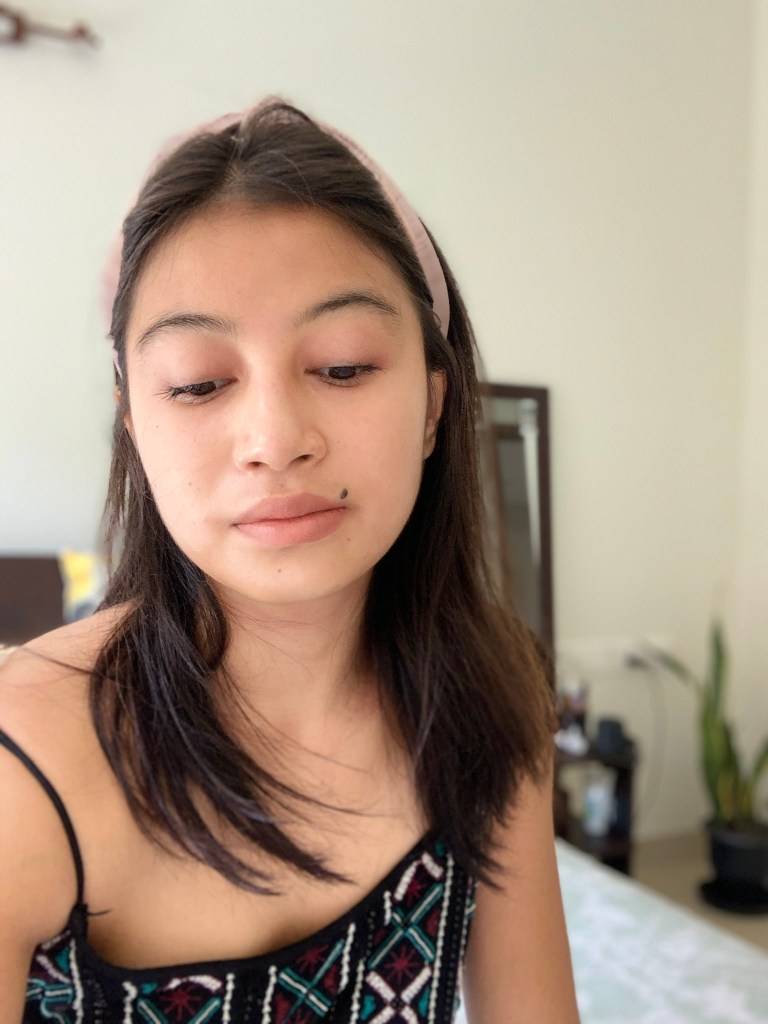
Here are some pictures without makeup.
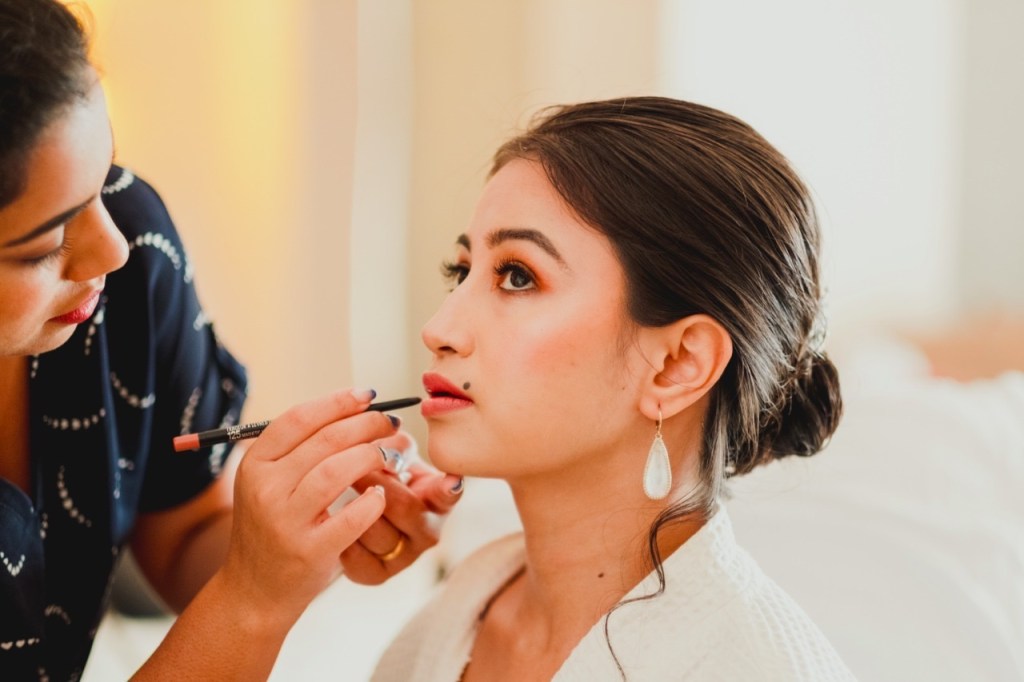
And the pictures from the wedding:
As a dermatologist skin care is my expertise. I’m a firm believer and advocate of evidence based consistent skin care regimen which means I use products backed up by science and I do not resort to DIY or home remedies for my skin or hair.
You plan for your wedding months ahead, similarly your skin needs the same amount of attention months prior to the big day.
Seek a consultation with a dermatologists to help formulate a skin care routine addressing your personal issues (be it acne, or pigmentation etc). Its important to start this early as there is no “fast track treatment” for such issues yet except for the magic of makeup, which can conceal anything. But if you’re someone like me who does not like wearing too much makeup and want to keep things as subtle and natural as possible then:
Find a dermatologist before you find a makeup artists.
If hydrated, clear, glowy skin is your goal without having to worry about the thick layer of makeup on your face for your wedding day especially if you’re planning to have a destination wedding in the humid climate of goa, here are some advises for you:
Use a broad sunscreen with both UVA and UVB protection. Search for one with spf 30 and above with a PA factor of +++, this will help prevent sunburns and tanning which makes your skin look dull. If you want help with your choice of sunscreen, check out my previous post: https://drnaphi.com/2019/07/15/all-about-sunscreens/
You may opt for sessions of chemical peels which helps with pigmentation and gives you a glowy youthful skin. Chemical peels are out patient procedures performed by certified dermatologists in their clinics. Higher strength acids such as glycolic, salicylic, or trichloroacetic acids etc are used in multiple sessions of 2-3 weeks apart, to help achieve a clearer skin.
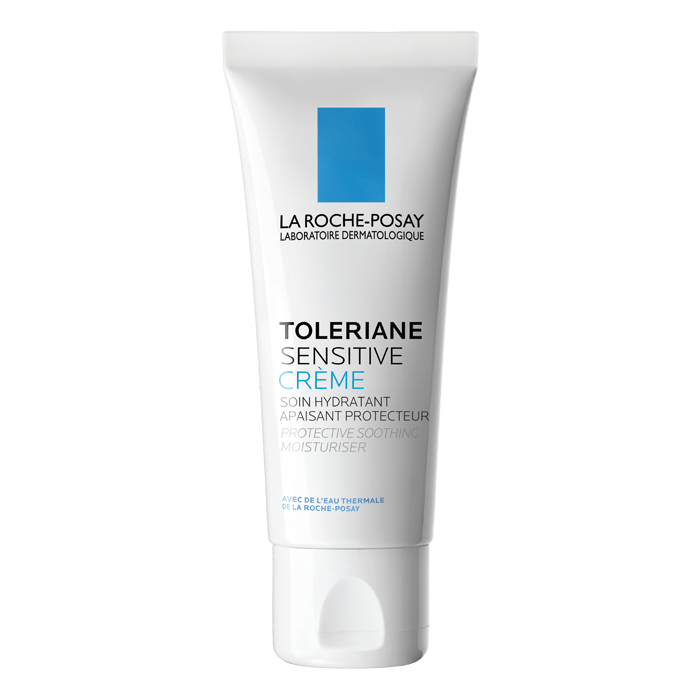
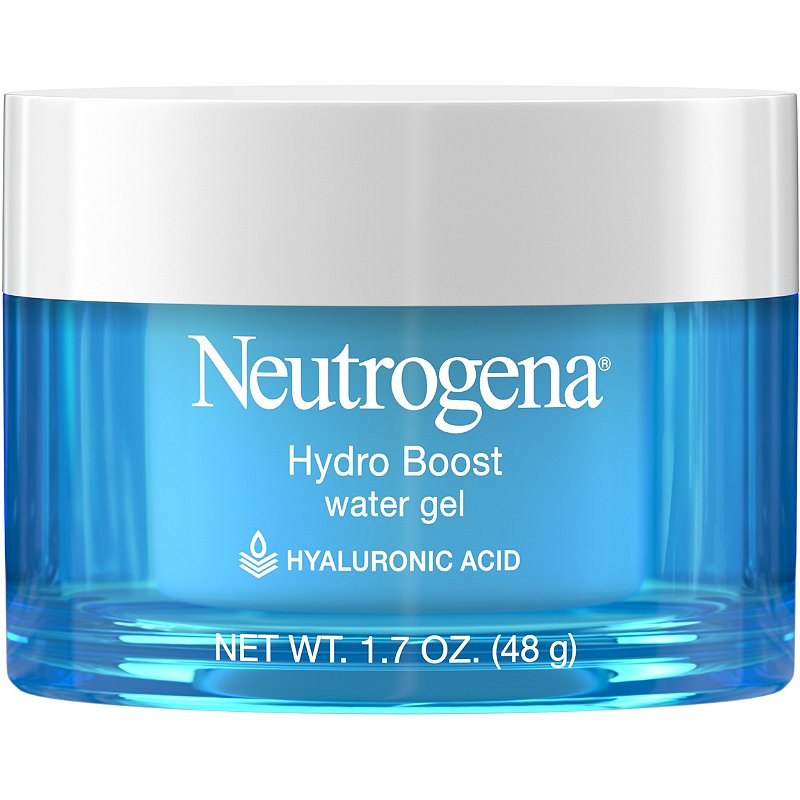
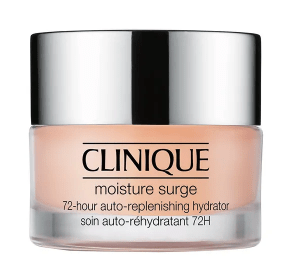
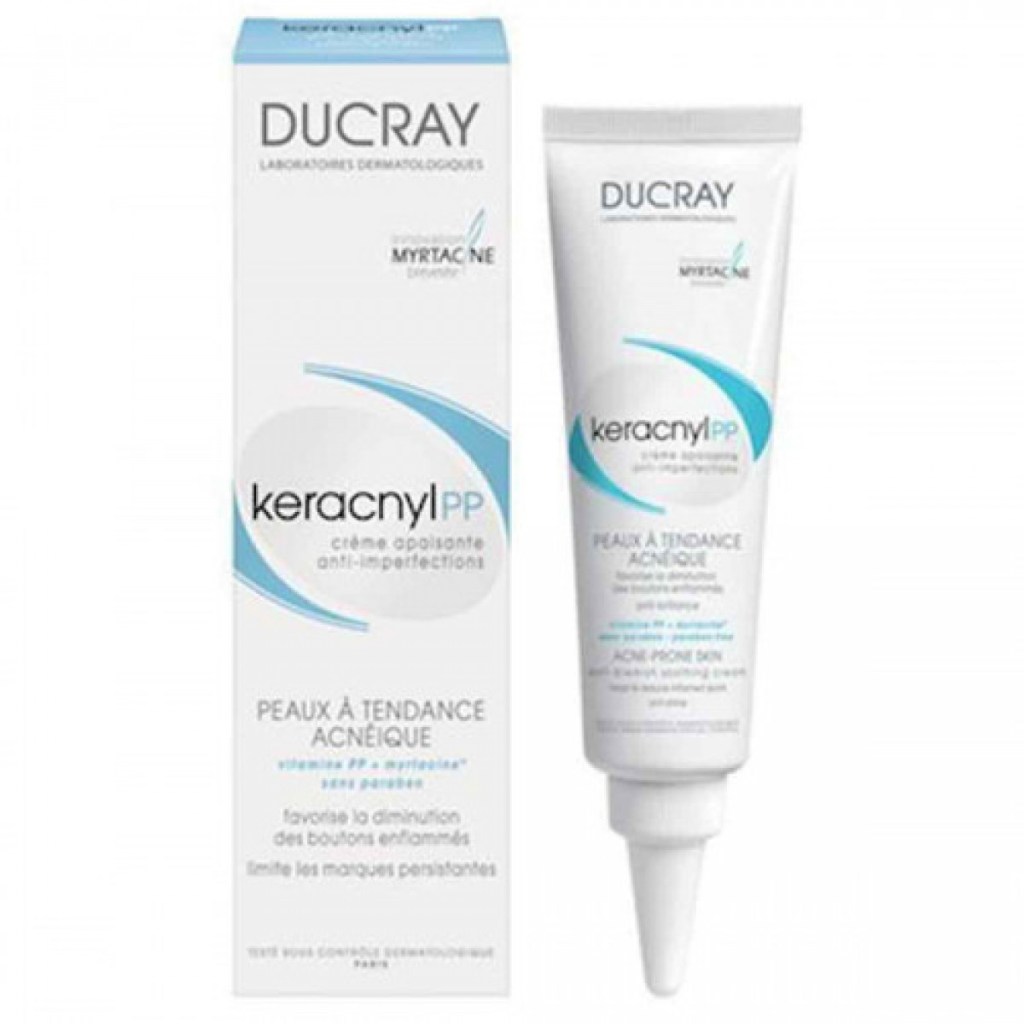
Always use a moisturiser. And yes, you still need a moisturiser even if you have oily acne prone skin, and its especially important if you’re using an active ingredient for your acne such as retinoids, benzoyl peroxide etc. I have acne prone skin and below are some of my favourite moisturisers:
Facials, clean ups are optional, but if you want that extra layer of pampering, then don’t wait till the day before to do it. The reason being, in case you do experience some allergic reactions from any of these products, your skin will have the time to heal. Do it a week before the big day and maybe just use face mask sheets for the instant hydration the night before.
Your skincare does not end on your wedding day.
Remember to wash your face thoroughly after the celebration. I know you’re going to be tired after at the end of the night but trust me, you need to get that makeup and sweat from the entire day off your skin before you take your final rest.
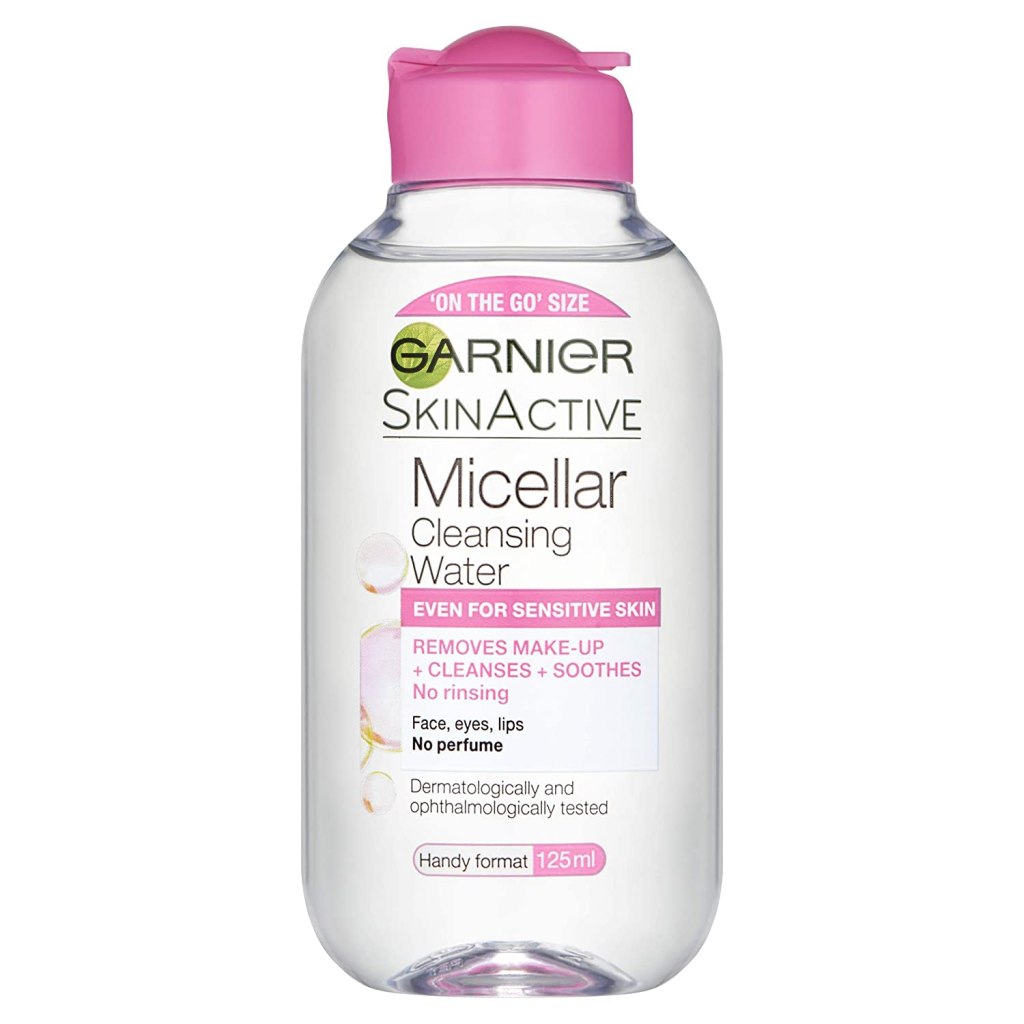
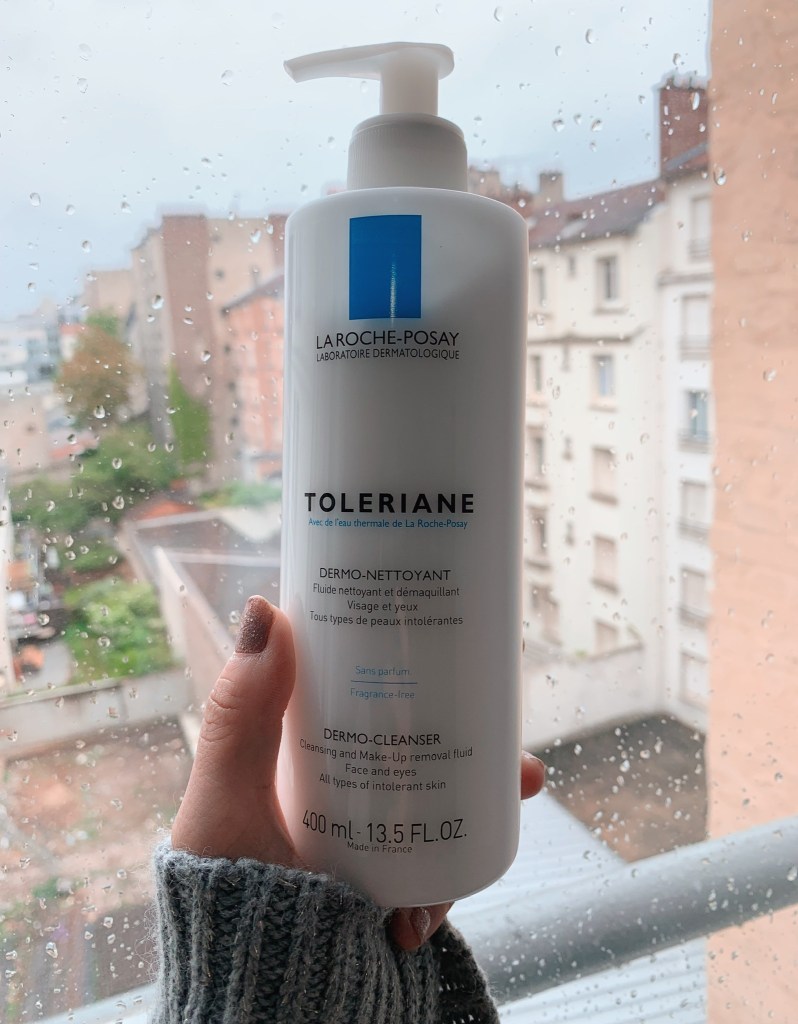
Use a micellar water or cleansing oil as the first step to remove all the oil based makeup. Then clean your face with any cleanser after.
My go to micellar water, but there are so many other versions out there in the market. You can use any one of your liking.
Cleansers I swear by, and its not just for this special day, I use them on a regular basis.
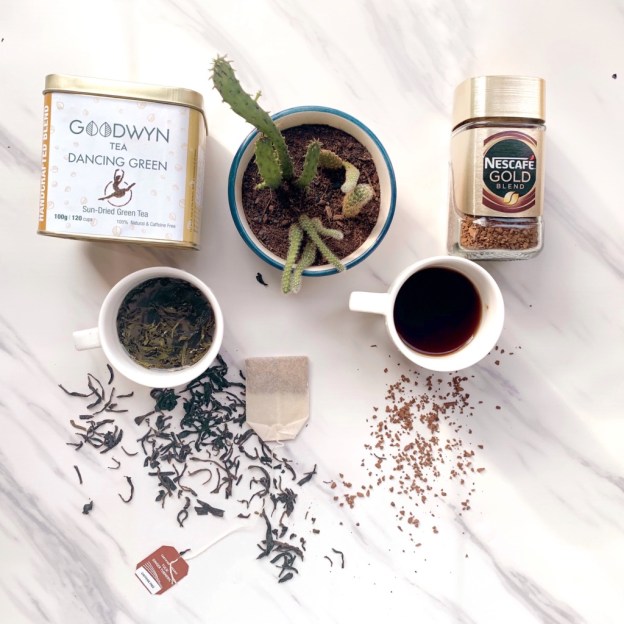
Coffee and tea has become the key to a great day. Majority of us start our day with either a cup of coffee or a cup of tea. Recently there has been a surge in the availability of caffeine based skin and hair care products. There are caffeine based eye creams, coffee scrubs, serums and the lists goes on.
So is there a logical scientific explanation to this trend or is it just false advertising exploiting consumers using the magic term “natural ingredient” for your skin and hair?
I
have just completed a three year course in dermatology and I never
read or studied these active ingredients during my tenure as a junior
resident. This is because we have a huge syllabus to cover most of
which are related to medical conditions and we are less focussed on
less studied ingredients used in skin care. So when patients asks me
their opinion on these caffeine or tea based products, I was not 100%
sure if there is actual scientific evidence to back up the claims of
these products.
What I found from digging around for studies on caffeine and its role in our skin
Lets take a look at the science behind caffeine based skin care products
Animal studies has shown that caffeine (coffee) consumption was associated with decrease risk of skin cancers (melanomas, basal cell carcinomas, squamous cell carcinomas). Human studies have also confirmed this negative association. People who consume >3 cups of coffee/ day have decrease risk of skin cancers. Caffeine present in tea, chocolates also reduced the risk of skin cancers. Decaffeinated coffee was not found to have similar negative association which means caffeine in coffee is the important active ingredient that could prevent skin malignancies.
As great as the the results look, merely increasing coffee consumption does not guarantee an absolute protection from skin cancers. Sun protection is still the first line defence against any skin malignancies.
Are topical applications of caffeine based products beneficial to our skin?
For any active ingredient to work when applied topically, the agent has to be able to penetrate the skin barrier. Laboratory studies both in mice and human skin have show that caffeine can effectively penetrate the skin if formulated in an aqueous base or as microspheres. So, if the caffeine based creams, scrubs etc are well formulated, topical application of about 3-5% caffeine can be beneficial to our skin.
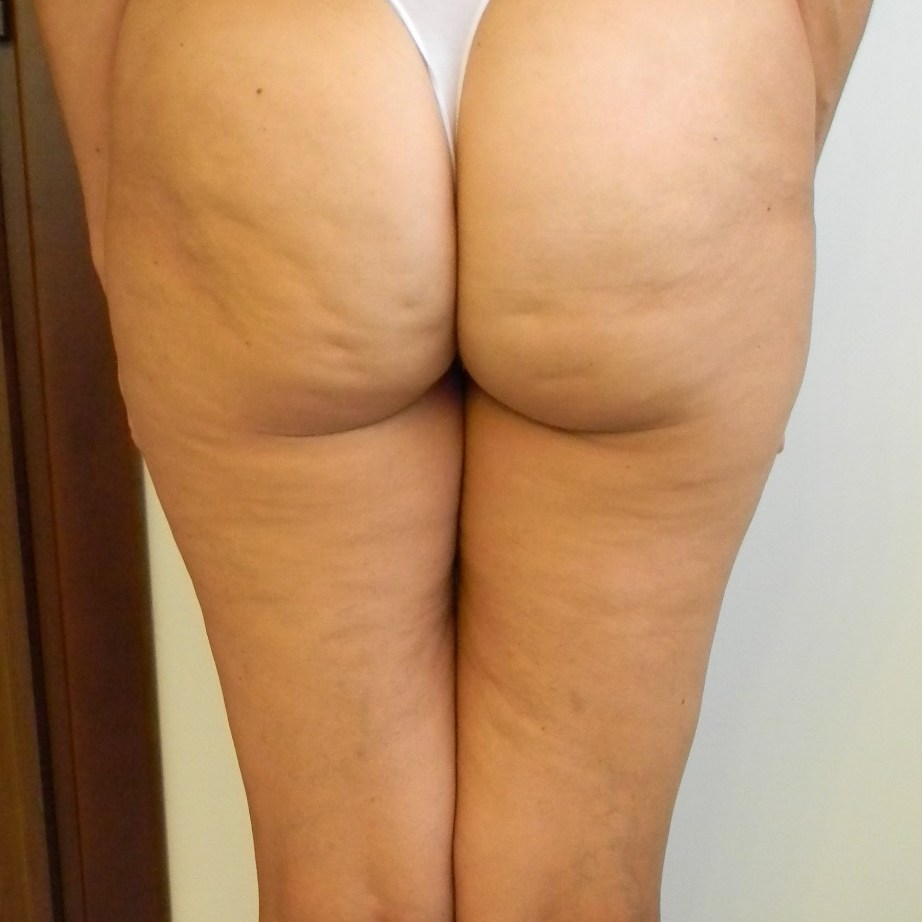
Cellulite also referred to the “orange peel” appearance of the skin which is due to abnormal localised deposition of fat cells which bulge into the dermis (middle layer of skin) and is seen in the buttocks and thighs of mostly females.
Few studies using animal model to study the effectiveness of caffeine for cellulite, showed that daily caffeine gel application combined with ultrasound improved the appearance of the orange peel skin.
Caffeine gels, creams, scrubs can temporarily help improve the appearance of cellulite by increasing fat breakdown (lipolysis) and improves blood circulation in the skin.
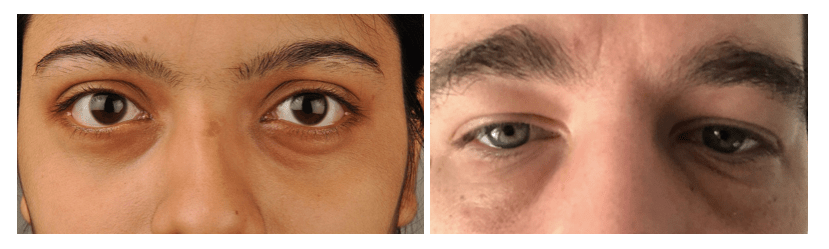
Caffeine acts as a stimulant, thats why most of us (including me) need a cup of coffee to start the day. Caffeine improves microcirculation (blood flow) in the skin. As the main reason for dark circles is due to increase fragility of the blood vessels in the skin below the eyes which when they break cause haemoglobin to leak into the skin and breaks down forming a pigment. Another important reason for dark circles is poor circulation (blood flow) which results in pooling of deoxygenated blood under the skin giving the area a bluish purplish appearance (note- oxygenated blood is red while deoxygenated blood is bluish in colour). Topical application of caffeine to the under eyes can improve blood flow and help deliver oxygenated blood to the area which makes the skin look more fresh, hydrated, more elastic with less dark circles.
Caffeine also help in the proper lymph drainage in the skin, therefore can reduce collection of tissue fluid in the area as well, thereby helps reduce puffy eyes.
So theoretically caffeine is a great ingredient for tackling dark circle and puffy eyes. But in reality, this is far from true. Studies using human patients did not show significant improvement in the appearance of dark circles. This could be explained by understanding that the reasons behind dark circles are multifactorial, with genetics,stress and facial bone structure also attributing to the cause and caffeine by itself cannot completely reverse the condition.
With that said, caffeine based skin products can help improve the appearance of dark circles and puffy eyes in certain individuals and its important to remember that the results are not permanent.
The ordinary has a serum containing 5% caffeine and EGCG ( active component in green tea, will talk more on this in subsequent posts).
Multiple laboratory studies on mice skin have shown that both oral intake and topical application of coffee enhances the apoptosis (death) of UV induced mutated cells which would otherwise divide and cause skin cancers. Therefore if caffeine is incorporated in sunscreens it can provide additional sun protection benefits. Thus stemmed the marketing strategies of “caffeinated sunscreens”.
However detailed well controlled human studies to test this theory is not available yet. A study using 12 human volunteers to test the benefits of addition of caffeine to sunscreens showed that 2.5% caffeinated sunscreens provided a higher spf value than a non caffeinated sunscreens.
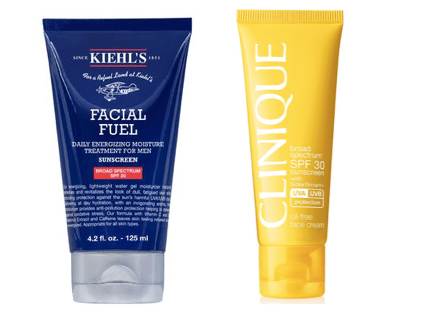
Few sunscreens which also contain caffeine as one of the ingredients
Angrogenic alopecia (AGA) is a common cause of baldness especially in males. AGA is due to the increase sensitivity of the hair follicles in the scalp to a hormone called dihydrotestosterone-DHT (an active form of testosterone). DHT causes the hair to enter the telogen phase (resting phase) of the hair cycle which eventually causes the hair to become thin and fine and ultimately falls off.
In vitro studies, have shown that caffeine inhibits the enzyme 5 alpha reductase which is responsible for converting the inactive testosterone to its active form DTH.
As mentioned earlier, caffeine helps improve microcirculation in the skin. This means caffeine application can increase blood flow to the hair follicles which can then receive more nutrients required for hair growth.
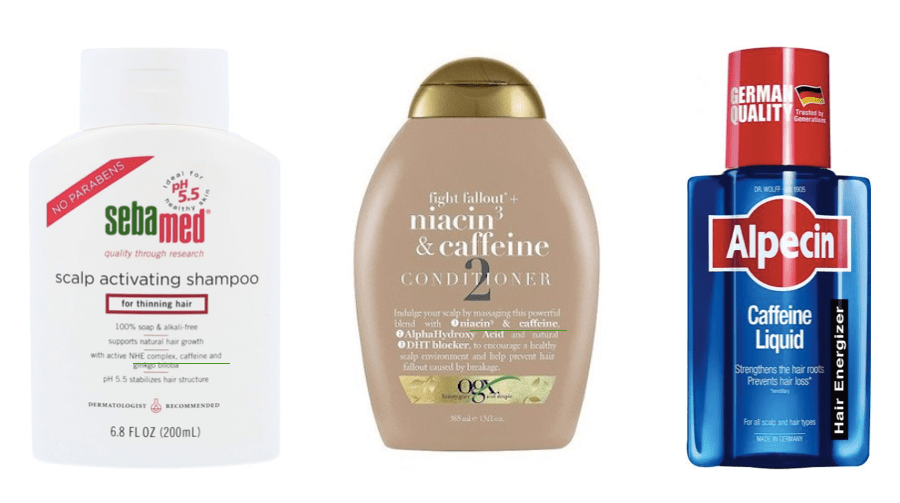
Caffeine based hair products in today’s market
A study comparing the effectiveness of 0.2% caffeine liquid lotion to the standard FDA approved antihypertensive drug (drug for lowering blood pressure) – 5% Minoxidil solution in the treatment of androgenic alopecia showed that both were equally effective at the end of a 6 month observation period. This study highlighted the potential of caffeine for treating hair loss.
So would I personally recommend treating your hair loss with some coffee?
I would have to answer NO. I would not recommend caffeine as mono therapy for hair loss.
There are various types of hair loss, and the science behind caffeine for hair loss is stressed on a specific type of hair loss call Androgenetic alopecia (see the pictures above) and even for this condition, not many well controlled human studies are available yet to support the use of caffeine for hair loss. Though dermatologist also see and treat many hair issues, hair loss is one of the commonest reason why patients seek dermatologists consultations. Hair loss could be of various causes, and a proper evaluation about the potential etiology is necessary prior to the start of any treatment.
Many other well documented treatment options are available now for the treatment of hair loss such as Minoxidil lotions, Finasteride, Platelet rich plasma etc. Incorporating caffeine based shampoos could add as an adjunctive therapy to the above.
Some of these studies make caffeine look like a star ingredient for your skin and hair. These hair and skin products are based on in vitro (laboratory tests done in well controlled environment which is far from the reality), and few animal studies and well designed human studies are still lacking. So keep this in mind when you buy these products in the market with these huge claims and promises such as “cure for your hair loss” etc.
Note that a certain % of caffeine is necessary to achieve the desired results mentioned above and this has to be formulated in a bases that enables the caffeine to penetrate into the skin. Therefore DIY coffee scrubs, creams may not beneficial to your skin or hair at all as the % of caffeine maybe too less or worst if its too much, unwanted side effects may occur.
In fact, scrubbing your skin with coffee may be too harsh on your skin especially if you have sensitive skin or are using various other active ingredients such as retinoids, glycolic or salicyclic acid etc.
As part of the series for active ingredients for pigmentation and as a continuation to my blog post on “vitamins and skin”, let’s dive in the details of another vitamin, that is – Vitamin A, also known as Retinoid.
Retinoid was a term first used to describe the active form of vitamin A. It comes in two forms: trans retinoic acid (tretinoin) and cis retinoic acid (isotretinoin), depending on the molecule groups orientation. The prefixes “cis” and “trans” are Latin for: “this side of” and “the other side of”.
Today retinoid is used as an umbrella term to encompass all derivatives of viatmin A such as retinoic acid, retinol, retinal esters, retinaldehyde.
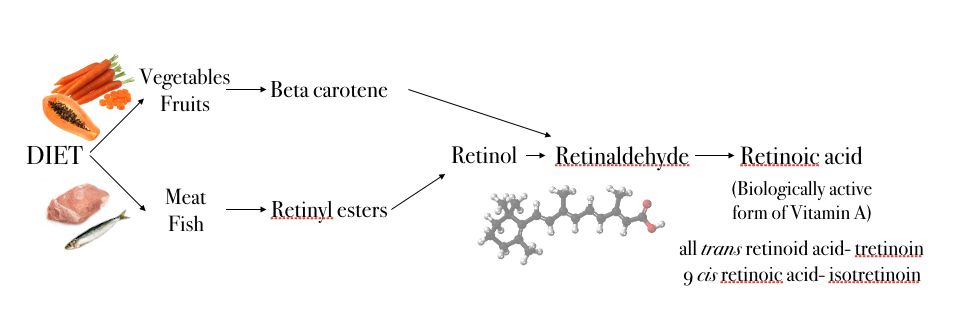
Vitamin A and its derivative
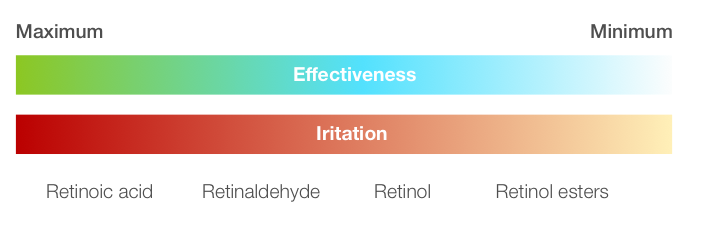
The order of activity of a topical retinoid
The order of activity of a topical retinoid is as follows:
In others words retinoic acid is highly effective while retinol esters are least reactive. The irritant potential however is reverse, retinol esters causes the minimum irritation while retinoic acid causes maximum irritation.
How Vitamin A works on the skin?
Vitamin A derivative found in our skin are retinol and retinyl esters. These are then converted to retinoic acid, the biologically active form, by certain enzymes. Retinoic acid binds to receptors present inside the nucleus (center) of our skin cells to mediate various biological effects.
It regulates the cell turnover: As the cells in our skin divide and move from the basal layer to the uppermost layer as dead cells (the stratum corneum) and are shed off, there are various changes that can take place, such as changes in the shape and composition of the cells. This entire process is call “keratinisation” or in simple words “cell turn over” which takes approximately 28-30 days. Retinoids help regulates and makes sure this process is occurring normally. This is particularly useful for acne, where the follicular keratinisation (the cell lining inside of a hair follicle) is abnormal. Check out my previous blog post on to see how acne develops: “How to deal with truncal acne?”.
fig. Layers of the epidermis (superficial most layer of skin)
It also affects the growth and differentiation of cells: it increases the activity of cells responsible for production of collagen, and causes an increase in the thickness of the epidermis.
Retinoids also increase production of extracellular matrix and prevent its degradation by UV rays. Extracellular matrix are carbohydrate molecules present in the dermis which act as a cushion in which blood vessels, collagen and elastin are embedded and is responsible for the suppleness of our skin.
Anti-inflammatory: Thus helps prevent the development of inflammatory (red, painful) acne.
Reduction in pigmentation: Retinoid inhibits tyrosinase – an enzyme required for melanin production (pigment responsible for our skin colour) and due to the increase cell turnover it reduces the transfer of melanin to the keratinocytes.
The expected results with retnoid
The overall clinical effects of topical retinoid are:
It prevents formation of comedones (white heads, black heads), reduces the number of breakouts. Retinoids are the topical medication for choice for non inflammatory comedonal acne.
Helps reduce fine lines, and can reverse changes seen with chronic unprotected sun exposure (photoaging).
Retinoids can help improve the appearance of pores, and provides a smooth texture with a youthful appearance to the skin.
Retinoid in the form of retinoic acid (tretinoin) is used in combination with hydroquinone (depigmenting agent) and mild steroid called “triple combination” to decrease pigmentation and evens out skin tone. This combination has been the standard first line treatment by dermatologists for pigmentary disorders such as melasma, post inflammatory pigmentation (dark spots following conditions such as acne, or various forms of dermatitis). Another combination using 10% retinol + 7% lactic acid has shown to be equally effective to reduce pigmentation.
Therefore, retinoids in various forms are used for the management of acne and as an anti ageing ingredient.
Commercially available retinoids
1. Retinoic acid
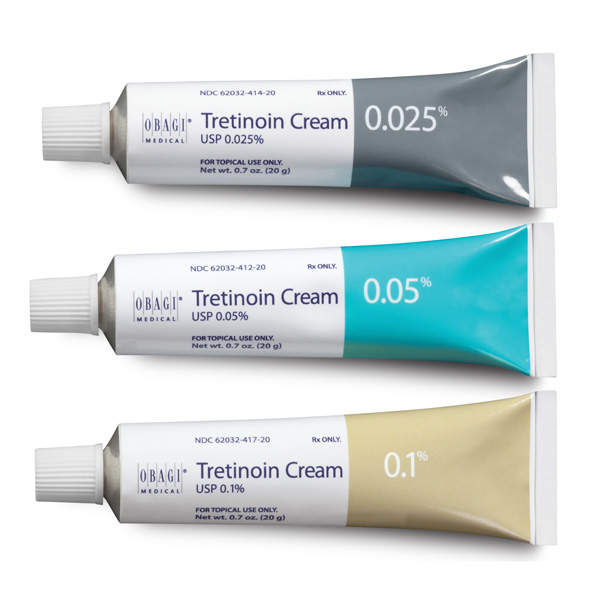
The biologically active retinoid, retinoic acid is available as tretinion. It comes in three strengths : 0.025%, 0.05% and 0.1% formulated in a cream base. There is also a microsphere gel base in the strength 0.04% and 0.1%.
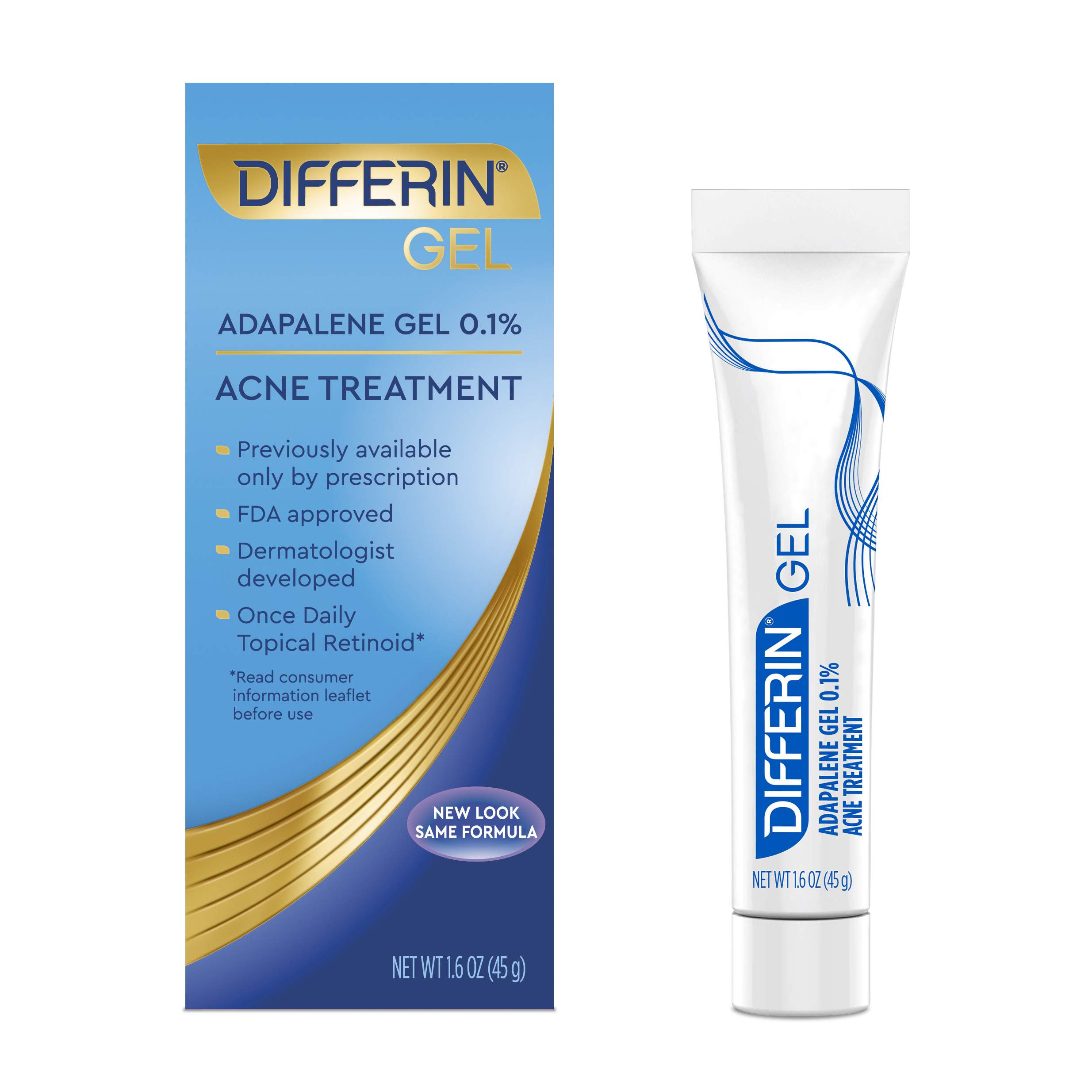
Adapalene is a synthetic retinoid similar to all trans retinoic acid tretinoin. It is available as a 0.1% gel, cream or solution and as a 0.3% gel for the treatment of acne. Adapalene (Differein) can be bought at the pharmacy without a prescription. It is now available as a combination with benzoyl peroxide (Deriva BPO gel, Epiduo gel) or with clindamycin (ClearApgel, Deriva CMS gel) as well.
3. Retinaldehyde
Retinaldehyde is the immediate precursor of the active form of Vitamin A-retinoic acid. Retinaldehyde in 0.05% and 0.1% concentration used twice daily for 12 weeks have been shown to be effective in treating photodamaged skin (rough, dry skin with fine or coarse wrinkling) and pigmentation. After application, retinaldehyde needs to be converted in the skin to retinoic acid by certain enzymes. This prevents the over saturation of our skin with retinoic acid and thus is better tolerated with fewer side effects. However the expected results can be slower than with retinoic acid.
3. Retinols
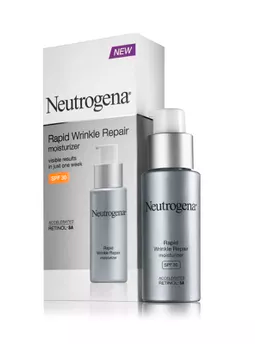
Many over the counter anti ageing, and pigmentation cream contain various concetration of retinols (0.3%, 0.5%, 0.1%) as the active ingredient. As you can see from the above image on vitamin A & its derivative, retinol needs to be converted to retinaldehyde which is in turn converted to retinoic acid. Retinol is 20 times less potent than retinoic acid (tretinoin) but the bears the advantage of less side effects. But retinol is highly unstable and gets degraded easily to inactive forms therefore the choice of the vehicle is of utmost importance for this ingredient. This neutrogena does not mention the concentration of retinol but from what I found online, its probably a lower concentration of 0.025%, which is great if you’re just starting with a retiniod.
Side effects of topical retinoids and how to combat it
Over saturation of our skin with retinoic acid can irritate our skin. Therefore the side effects are mostly seen with topical retinoic acid such as tretinoin. For this reason and because retinoic acid has biological effect when applied on the skin, it is considered a drug and requires a doctor’s prescription. Such regulations are not followed in India, and one can buy almost anything over the counter here, but I strongly discourage using retinoic acid as part of your skin care regimen without a prior dermatological evaluation or without supervision from your prescribing doctor.
During the first few weeks of topical application of a retinoid, redness, flaking of the skin, acne flare, photosensitivity are expected. This can be minimised by starting with the lowest concentration of retinoid, or by limiting the amount and the frequency of application.
It is advised to start with either twice in a week application, or alternate days application once at night for the entire face and never in the morning. The frequency and strength can be increase according to our skin’s tolerance to the product. Moisturisers and sunscreens are a must while using a retinoid.
Retinaldehyde and retinols have fewer chances of causing this irritation and are the best bet if one wants to start using a retinoid in their skin care and for someone with sensitive skin.
Retinoic acid such as tretinoin being more irritant should be avoided for someone with dry, sensitive skin or someone with skin conditions such as Rosacea.
Retinoids should not be used during pregnancy.
Interested in a vegan option?
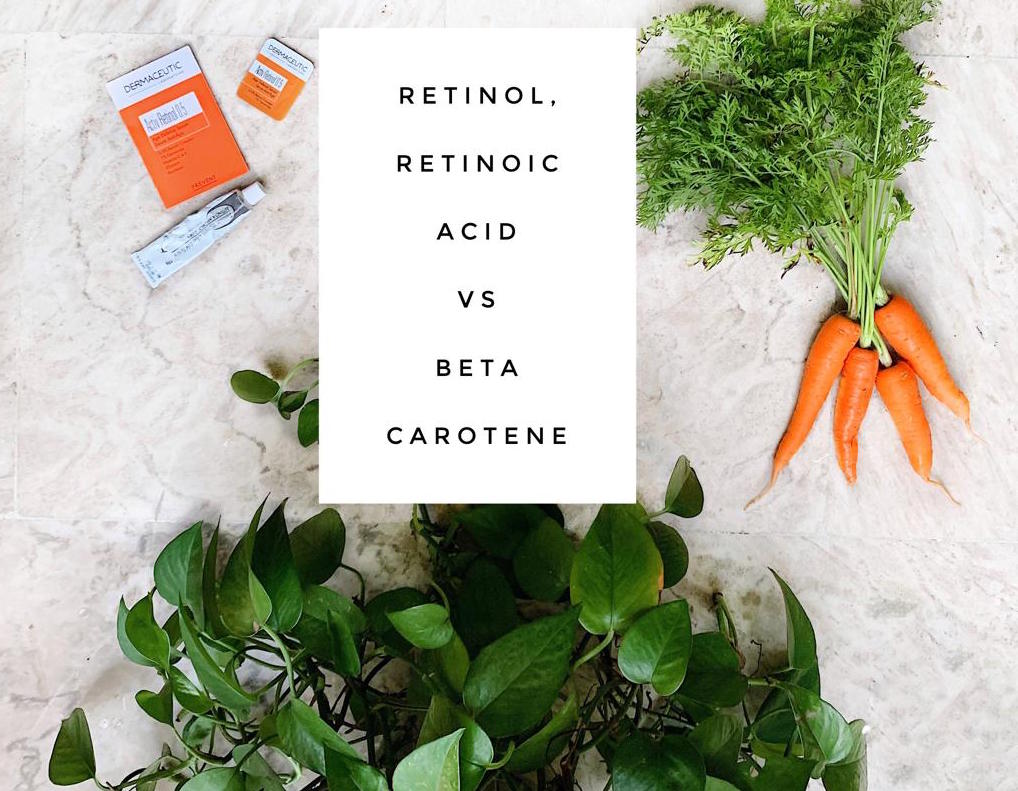
Retinol, retinaldeyde and retinoic acid are animal derived forms of vitamin A while beta carotene is derived from plant and fruits. Beta carotene can be converted to retinal esters and retinaldehyde in our body which are then converted to the active form retinoic acid.
However a carrot can only provide a maximum of 6 mg of beta carotene. So if you want to duplicate the results of this study, you’ll need at least 6 large carrots a day.
Since long term study on the effect of vitamin A supplementation on our body as a whole has not been carried out, the potentials dangers that may result from toxicity of vitamin A has not been ruled out yet. Till we know more about the the benefits and risks of oral intake of vitamin A (beta carotene supplements), its best to avoid oral supplementation and stick to what we know, which is topical sunscreens and topical retinoids to fight signs of ageing and pigmentation.
It is important to note that, scientific research on the role of an active ingredient for pigmentation or ageing are performed over weeks with a minimum of 12 weeks before any conclusion can be drawn from the studies.
Therefore, always use a product for at least 12 weeks before you decide to conclude that the product is not working and move on to the next best thing.


















 Dr Naphisabet Wanniang

