The wedding glow

I’ve been slacking with creating new content for the past few months, its been difficult to find the motivation sometimes especially when one is dealing with a million other things. But now with this pandemic going on, countries are facing global lockdowns and being a dermatologists and not someone working in the front lines of this health crisis, I now have more time to dedicate to this blog again. And I hope you’re all safe and well wherever you are.

As my first posts in months, I’ve decided to share something more on a personal note and not too much of the normal “science behind skincare” content I normally post.

I was lucky enough to be able to have a wedding reception in Goa recently in February 2020, just before this pandemic shook the world by storm.

I’ve been requested to share by professional advise on skin care for the upcoming brides out there. I was honoured to be featured by https://hitchedhaven.com/ (a website catering to future brides & grooms seeking to tie the knot in goa) on their website about my skincare advises as a dermatologists for “that wedding glow”.

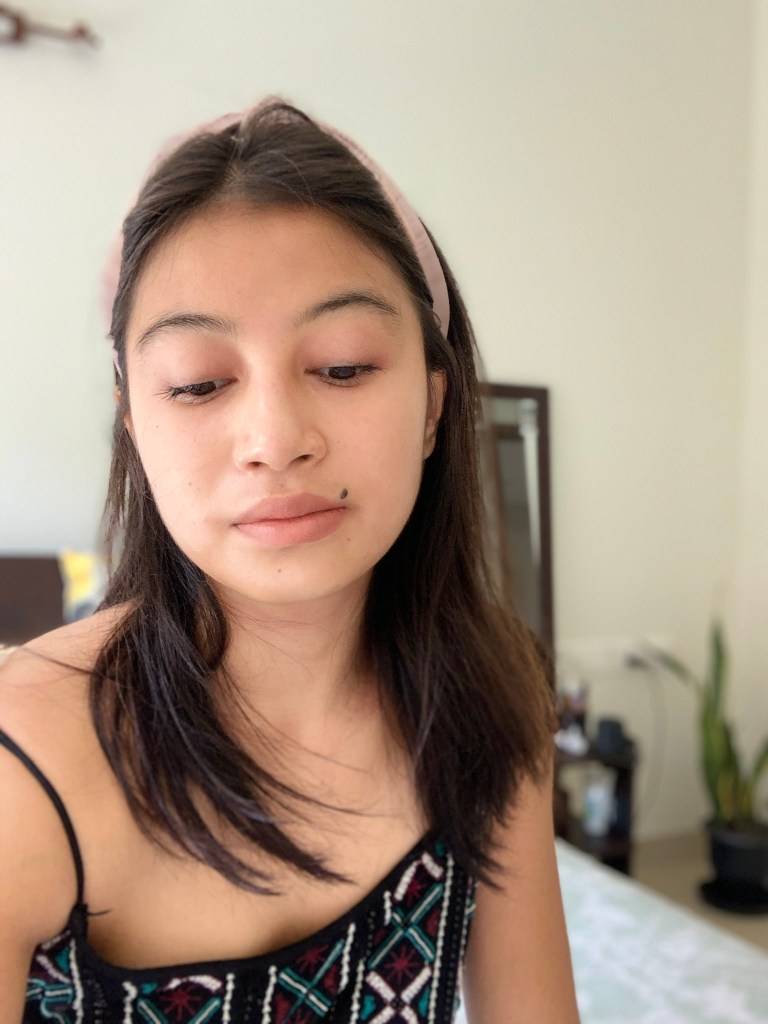
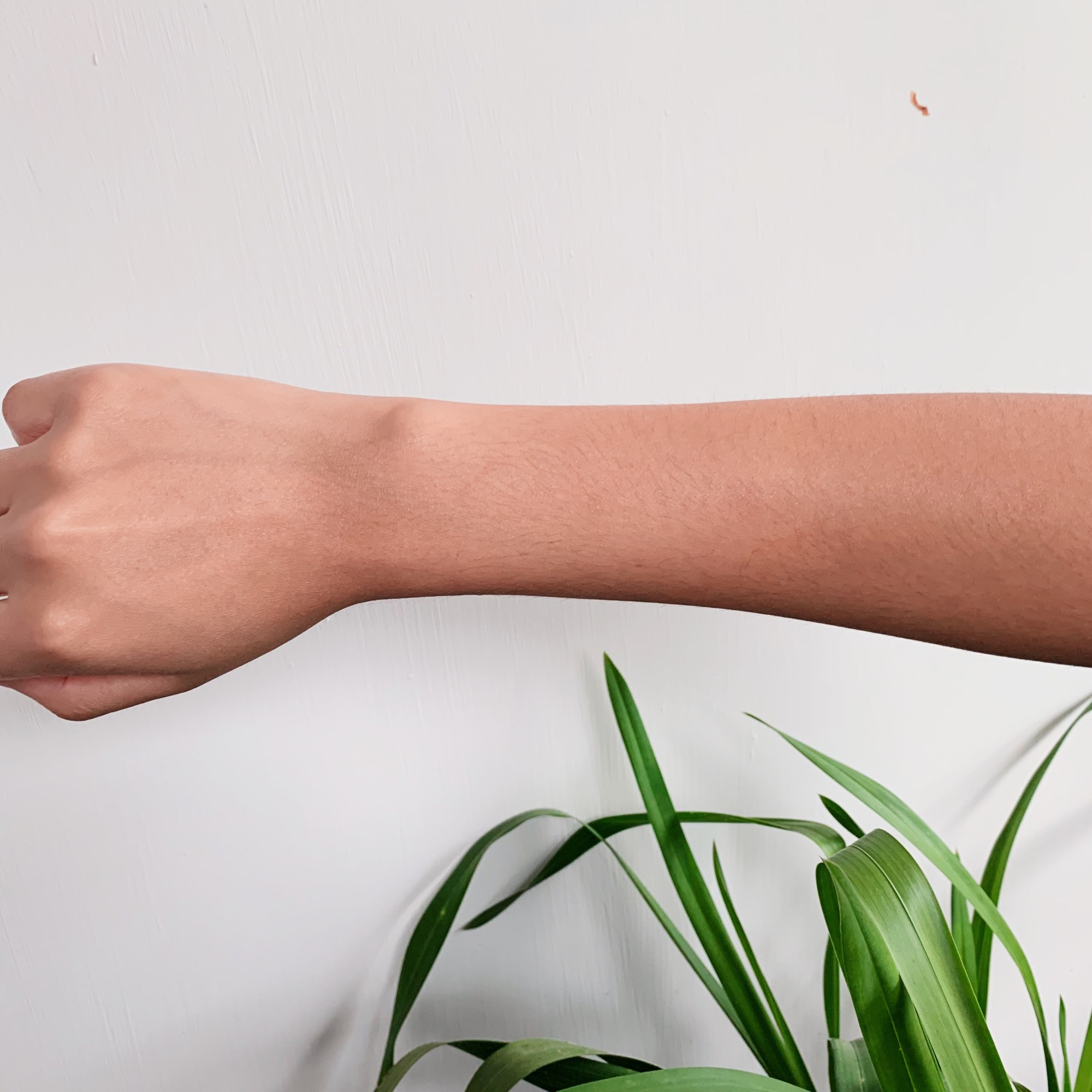
Here are some pictures without makeup.

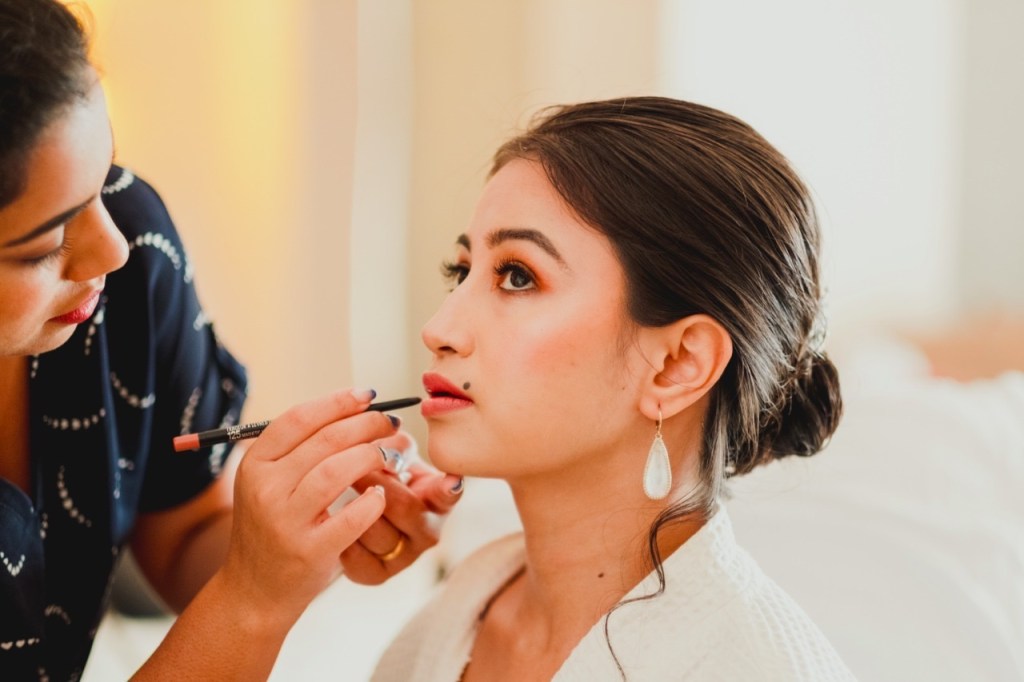
And the pictures from the wedding:
As a dermatologist skin care is my expertise. I’m a firm believer and advocate of evidence based consistent skin care regimen which means I use products backed up by science and I do not resort to DIY or home remedies for my skin or hair.

You plan for your wedding months ahead, similarly your skin needs the same amount of attention months prior to the big day.

Seek a consultation with a dermatologists to help formulate a skin care routine addressing your personal issues (be it acne, or pigmentation etc). Its important to start this early as there is no “fast track treatment” for such issues yet except for the magic of makeup, which can conceal anything. But if you’re someone like me who does not like wearing too much makeup and want to keep things as subtle and natural as possible then:

Find a dermatologist before you find a makeup artists.

If hydrated, clear, glowy skin is your goal without having to worry about the thick layer of makeup on your face for your wedding day especially if you’re planning to have a destination wedding in the humid climate of goa, here are some advises for you:

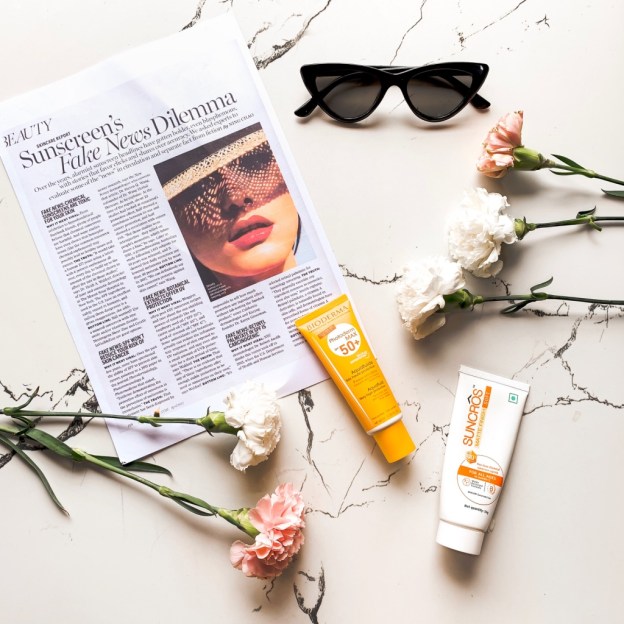
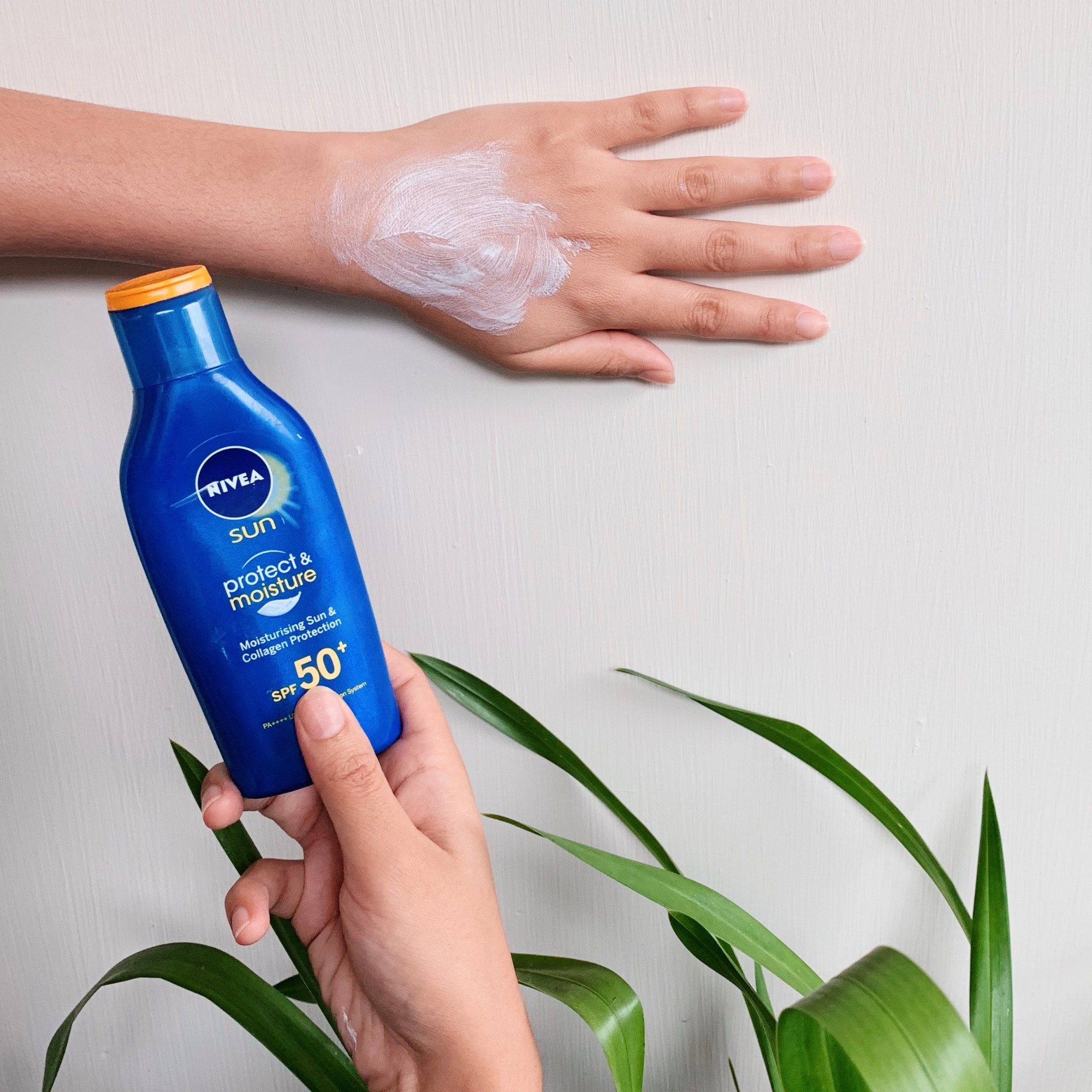
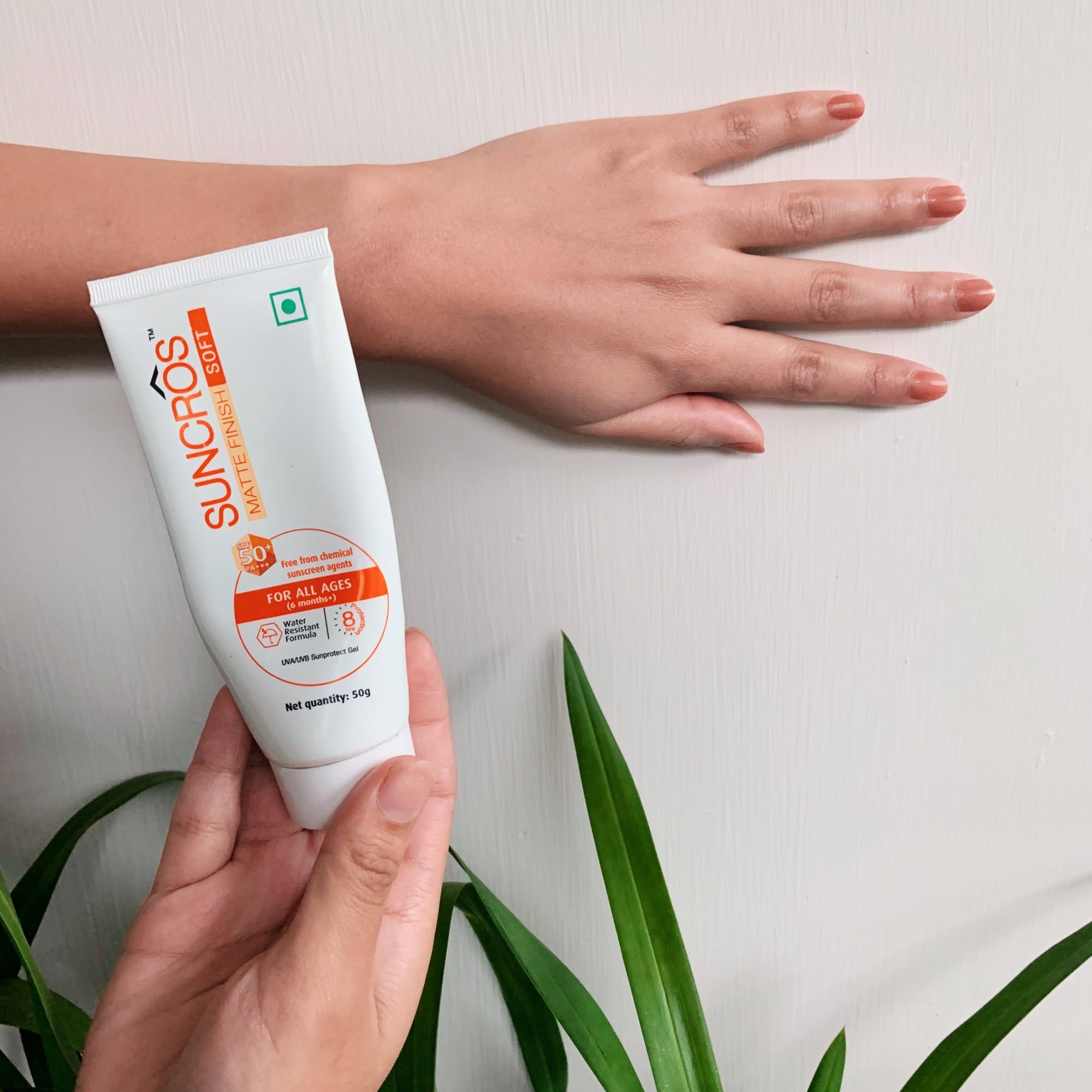
  • Use a broad sunscreen with both UVA and UVB protection. Search for one with spf 30 and above with a PA factor of +++, this will help prevent sunburns and tanning which makes your skin look dull. If you want help with your choice of sunscreen, check out my previous post: https://drnaphi.com/2019/07/15/all-about-sunscreens/
  • You may opt for sessions of chemical peels which helps with pigmentation and gives you a glowy youthful skin. Chemical peels are out patient procedures performed by certified dermatologists in their clinics. Higher strength acids such as glycolic, salicylic, or trichloroacetic acids etc are used in multiple sessions of 2-3 weeks apart, to help achieve a clearer skin.
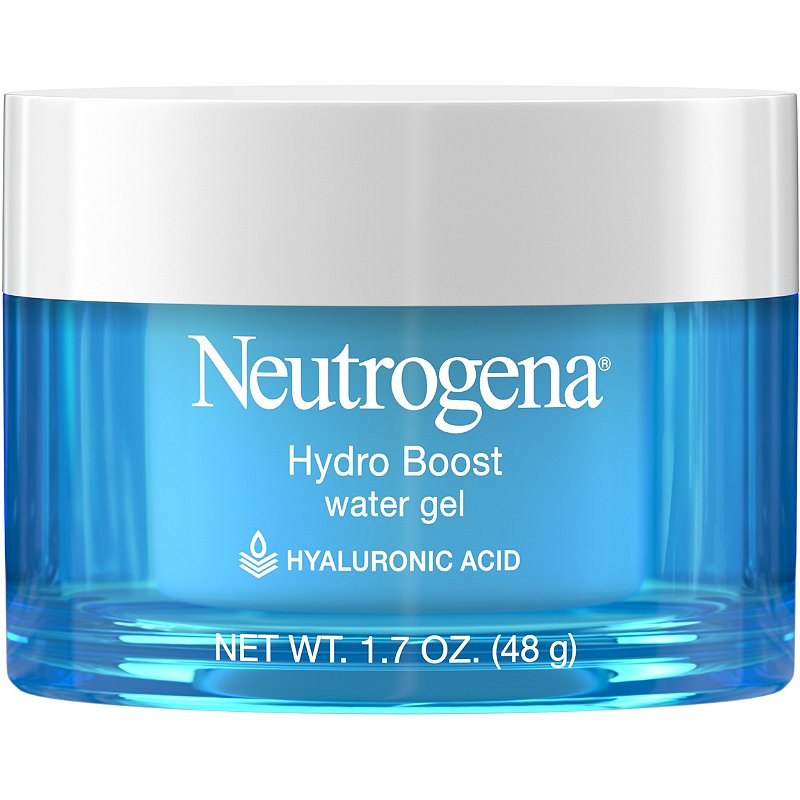
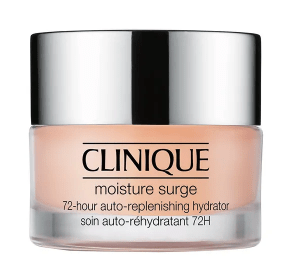
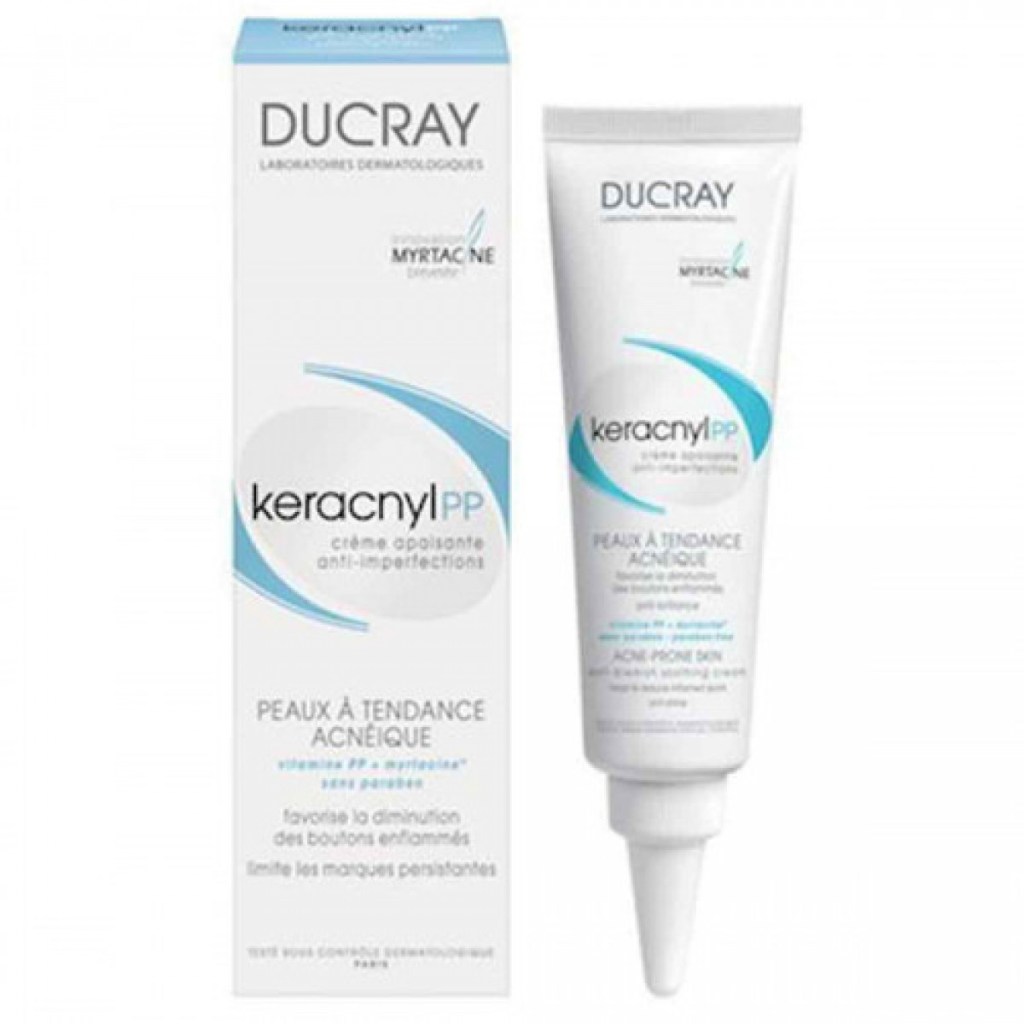
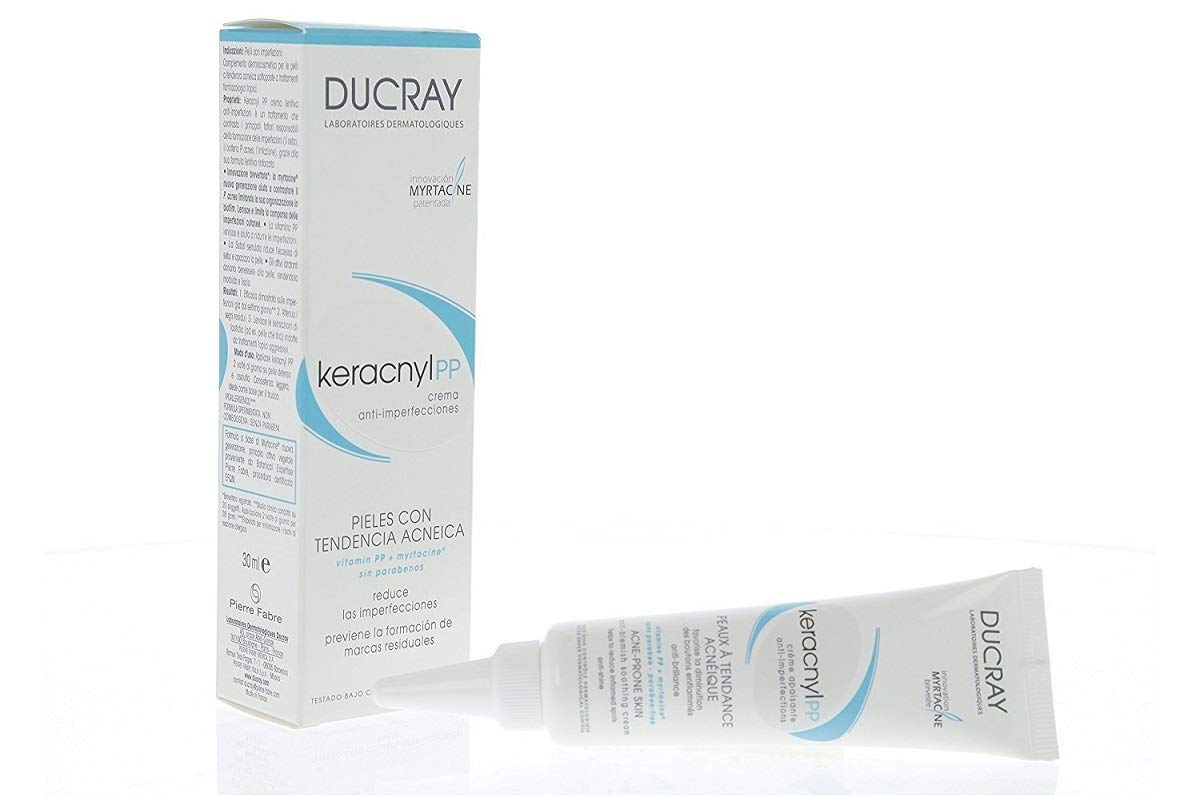
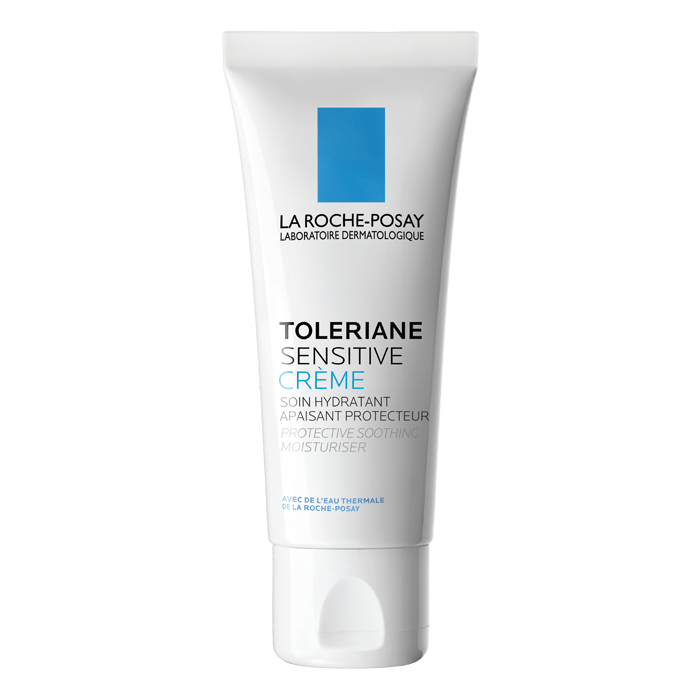
  • Always use a moisturiser. And yes, you still need a moisturiser even if you have oily acne prone skin, and its especially important if you’re using an active ingredient for your acne such as retinoids, benzoyl peroxide etc. I have acne prone skin and below are some of my favourite moisturisers:
  • Facials, clean ups are optional, but  if you want that extra layer of pampering, then don’t wait till the day before to do it. The reason being, in case you do experience some allergic reactions from any of these products, your skin will have the time to heal. Do it a week before the big day and maybe just use face mask sheets for the instant hydration the night before.

Your skincare does not end on your wedding day.

Remember to wash your face thoroughly after the celebration. I know you’re going to be tired after at the end of the night but trust me, you need to get that makeup and sweat from the entire day off your skin before you take your final rest.

Use a micellar water or cleansing oil as the first step to remove all the oil based makeup. Then clean your face with any cleanser after.

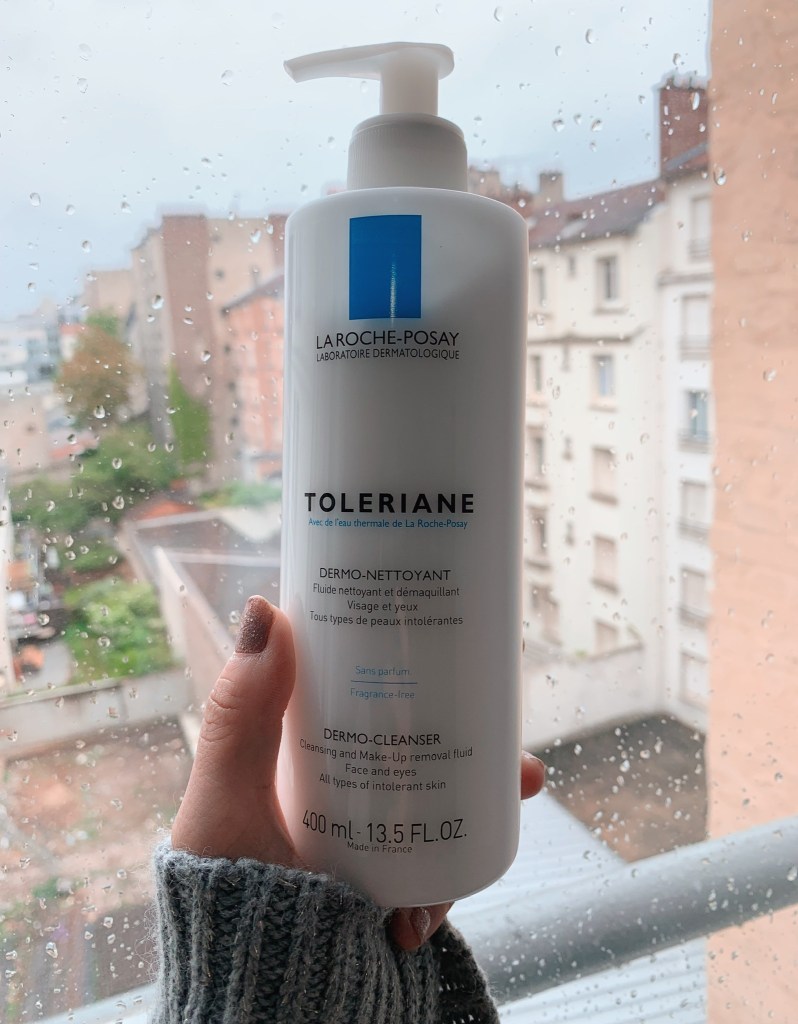
My go to micellar water, but there are so many other versions out there in the market. You can use any one of your liking.
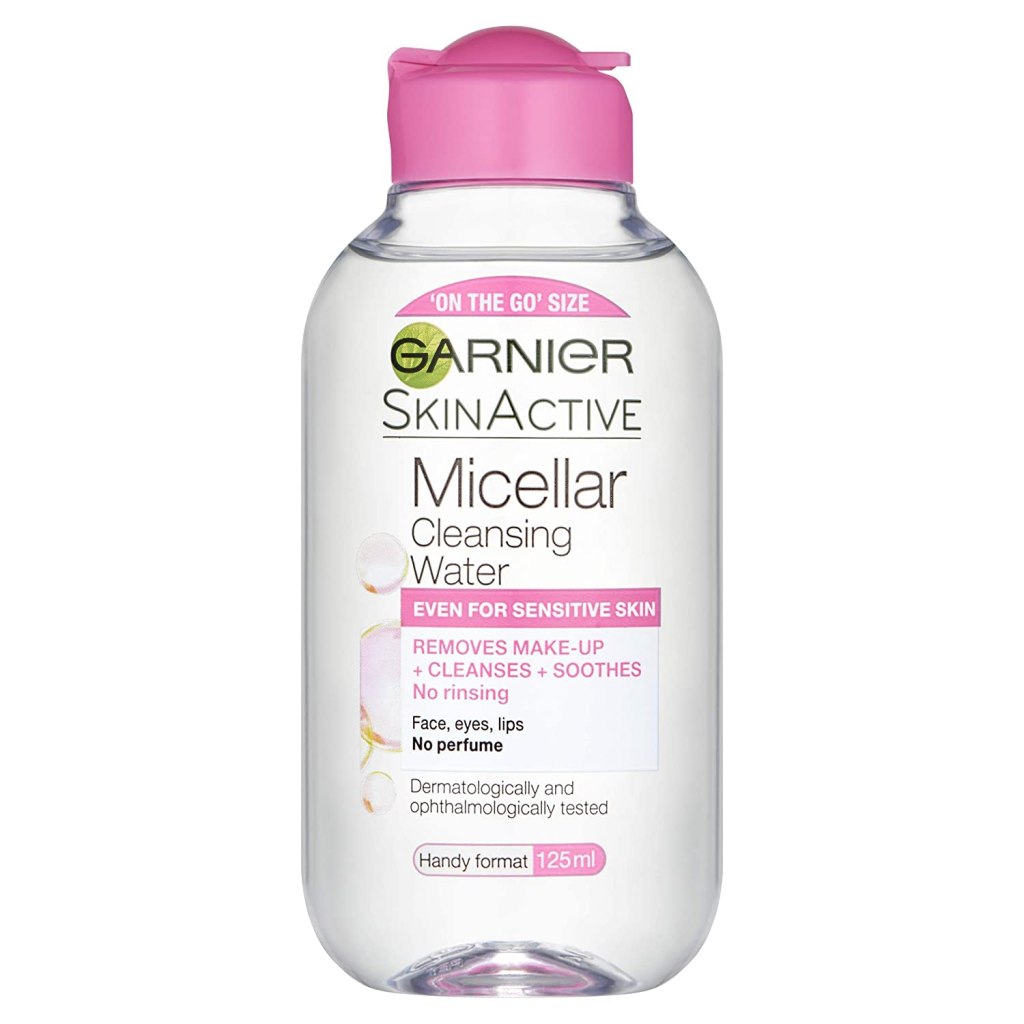
Cleansers I swear by, and its not just for this special day, I use them on a regular basis.

Lastly, moisturise and enjoy your wedding night 🙂
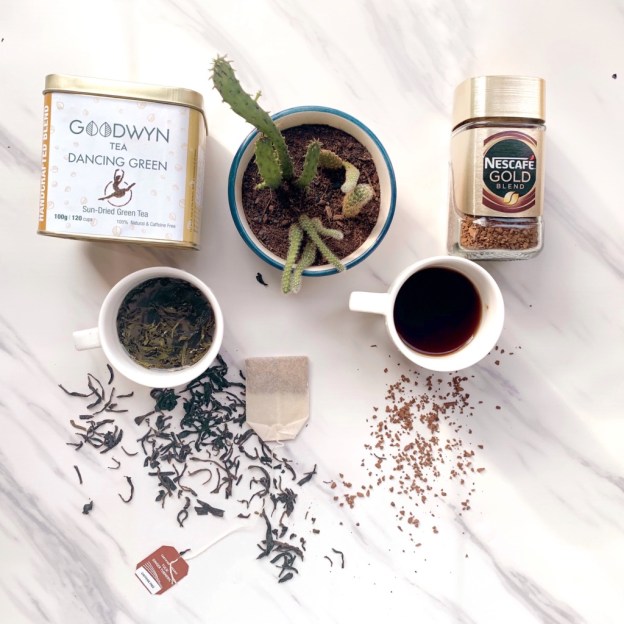
A taste of Coffee for your skin and hair

Coffee and tea has become the key to a great day. Majority of us start our day with either a cup of coffee or a cup of tea. Recently there has been a surge in the availability of caffeine based skin and hair care products. There are caffeine based eye creams, coffee scrubs, serums and the lists goes on.

So is there a logical scientific explanation to this trend or is it just false advertising exploiting consumers using the magic term “natural ingredient” for your skin and hair?

I have just completed a three year course in dermatology and I never read or studied these active ingredients during my tenure as a junior resident. This is because we have a huge syllabus to cover most of which are related to medical conditions and we are less focussed on less studied ingredients used in skin care. So when patients asks me their opinion on these caffeine or tea based products, I was not 100% sure if there is actual scientific evidence to back up the claims of these products.

What I found from digging around for studies on caffeine and its role in our skin

Lets take a look at the science behind caffeine based skin care products

Animal studies has shown that caffeine (coffee) consumption was associated with decrease risk of skin cancers (melanomas, basal cell carcinomas, squamous cell carcinomas). Human studies have also confirmed this negative association. People who consume >3 cups of coffee/ day have decrease risk of skin cancers. Caffeine present in tea, chocolates also reduced the risk of skin cancers. Decaffeinated coffee was not found to have similar negative association which means caffeine in coffee is the important active ingredient that could prevent skin malignancies.

An increase in coffee consumption of one cup per day was associated with a 3% reduction in melanoma risk

Another study found that daily intake of coffee ( >6 cups) caused a 30% reduction in the prevalence of non-melanoma skin cancer in Caucasian women

As great as the the results look, merely increasing coffee consumption does not guarantee an absolute protection from skin cancers. Sun protection is still the first line defence against any skin malignancies.

Are topical applications of caffeine based products beneficial to our skin?

For any active ingredient to work when applied topically, the agent has to be able to penetrate the skin barrier. Laboratory studies both in mice and human skin have show that caffeine can effectively penetrate the skin if formulated in an aqueous base or as microspheres. So, if the caffeine based creams, scrubs etc are well formulated, topical application of about 3-5% caffeine can be beneficial to our skin.

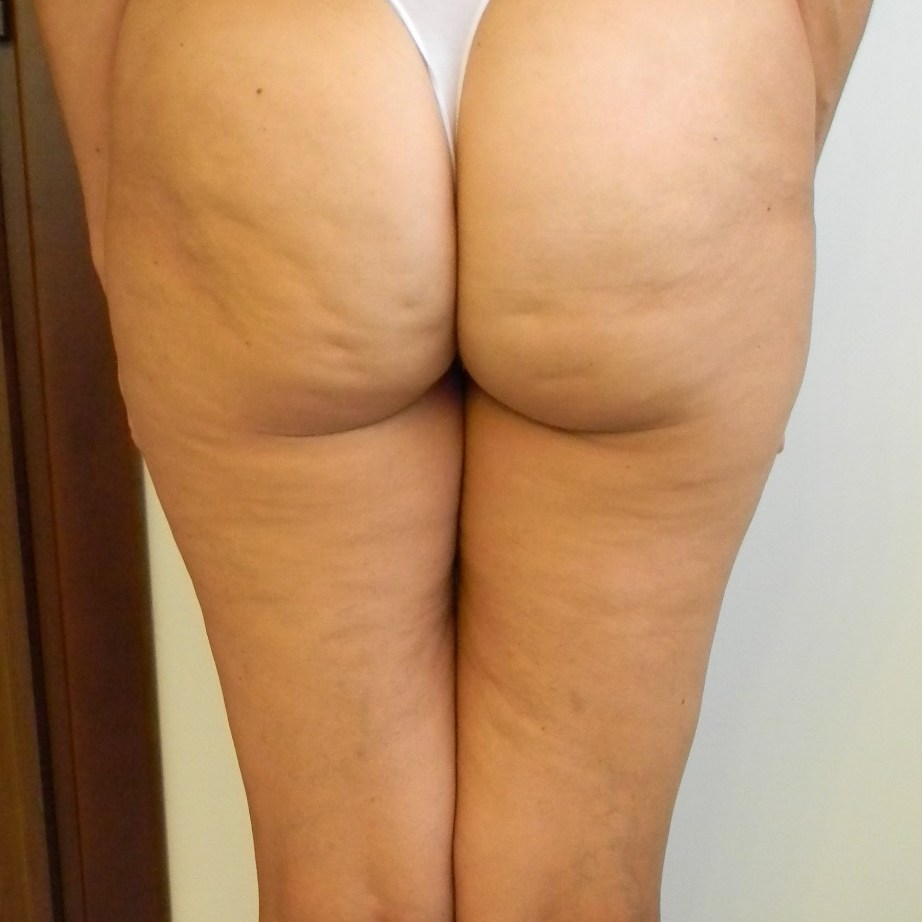
Cellulite also referred to the “orange peel” appearance of the skin which is due to abnormal localised deposition of fat cells which bulge into the dermis (middle layer of skin) and is seen in the buttocks and thighs of mostly females.

Few studies using animal model to study the effectiveness of caffeine for cellulite, showed that daily caffeine gel application combined with ultrasound improved the appearance of the orange peel skin.

Image courtesy

Caffeine gels, creams, scrubs can temporarily help improve the appearance of cellulite by increasing fat breakdown (lipolysis) and improves blood circulation in the skin.

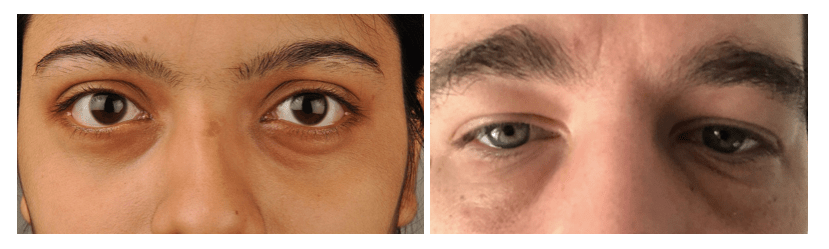
Caffeine acts as a stimulant, thats why most of us (including me) need a cup of coffee to start the day. Caffeine improves microcirculation (blood flow) in the skin. As the main reason for dark circles is due to increase fragility of the blood vessels in the skin below the eyes which when they break cause haemoglobin to leak into the skin and breaks down forming a pigment. Another important reason for dark circles is poor circulation (blood flow) which results in pooling of deoxygenated blood under the skin giving the area a bluish purplish appearance (note- oxygenated blood is red while deoxygenated blood is bluish in colour). Topical application of caffeine to the under eyes can improve blood flow and help deliver oxygenated blood to the area which makes the skin look more fresh, hydrated, more elastic with less dark circles.

Caffeine also help in the proper lymph drainage in the skin, therefore can reduce collection of tissue fluid in the area as well, thereby helps reduce puffy eyes.

So theoretically caffeine is a great ingredient for tackling dark circle and puffy eyes. But in reality, this is far from true. Studies using human patients did not show significant improvement in the appearance of dark circles. This could be explained by understanding that the reasons behind dark circles are multifactorial, with genetics,stress and facial bone structure also attributing to the cause and caffeine by itself cannot completely reverse the condition.

With that said, caffeine based skin products can help improve the appearance of dark circles and puffy eyes in certain individuals and its important to remember that the results are not permanent.

The ordinary has a serum containing 5% caffeine and EGCG ( active component in green tea, will talk more on this in subsequent posts).

Multiple laboratory studies on mice skin have shown that both oral intake and topical application of coffee enhances the apoptosis (death) of UV induced mutated cells which would otherwise divide and cause skin cancers. Therefore if caffeine is incorporated in sunscreens it can provide additional sun protection benefits. Thus stemmed the marketing strategies of “caffeinated sunscreens”.

However detailed well controlled human studies to test this theory is not available yet. A study using 12 human volunteers to test the benefits of addition of caffeine to sunscreens showed that 2.5% caffeinated sunscreens provided a higher spf value than a non caffeinated sunscreens.

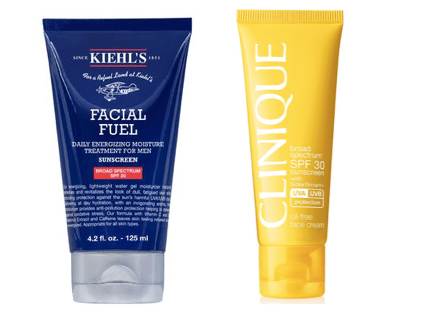
Few sunscreens which also contain caffeine as one of the ingredients

Angrogenic alopecia (AGA) is a common cause of baldness especially in males. AGA is due to the increase sensitivity of the hair follicles in the scalp to a hormone called dihydrotestosterone-DHT (an active form of testosterone). DHT causes the hair to enter the telogen phase (resting phase) of the hair cycle which eventually causes the hair to become thin and fine and ultimately falls off.

How caffeine helps combat this hair loss?

  • In vitro studies, have shown that caffeine inhibits the enzyme 5 alpha reductase which is responsible for converting the inactive testosterone to its active form DTH.
  • As mentioned earlier, caffeine helps improve microcirculation in the skin. This means caffeine application can increase blood flow to the hair follicles which can then receive more nutrients required for hair growth.

Caffeine based hair products in today’s market

A study comparing the effectiveness of 0.2% caffeine liquid lotion to the standard FDA approved antihypertensive drug (drug for lowering blood pressure) – 5% Minoxidil solution in the treatment of androgenic alopecia showed that both were equally effective at the end of a 6 month observation period. This study highlighted the potential of caffeine for treating hair loss.

So would I personally recommend treating your hair loss with some coffee?

I would have to answer NO. I would not recommend caffeine as mono therapy for hair loss.

There are various types of hair loss, and the science behind caffeine for hair loss is stressed on a specific type of hair loss call Androgenetic alopecia (see the pictures above) and even for this condition, not many well controlled human studies are available yet to support the use of caffeine for hair loss. Though dermatologist also see and treat many hair issues, hair loss is one of the commonest reason why patients seek dermatologists consultations. Hair loss could be of various causes, and a proper evaluation about the potential etiology is necessary prior to the start of any treatment.

Many other well documented treatment options are available now for the treatment of hair loss such as Minoxidil lotions, Finasteride, Platelet rich plasma etc. Incorporating caffeine based shampoos could add as an adjunctive therapy to the above.

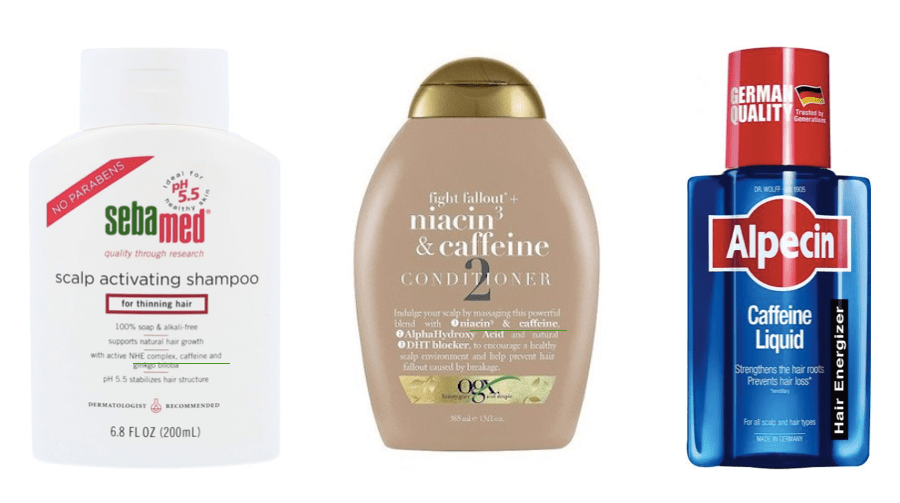
Hair products with caffeine

Take home message

photo credit: pexels.com

Some of these studies make caffeine look like a star ingredient for your skin and hair. These hair and skin products are based on in vitro (laboratory tests done in well controlled environment which is far from the reality), and few animal studies and well designed human studies are still lacking. So keep this in mind when you buy these products in the market with these huge claims and promises such as “cure for your hair loss” etc.

Note that a certain % of caffeine is necessary to achieve the desired results mentioned above and this has to be formulated in a bases that enables the caffeine to penetrate into the skin. Therefore DIY coffee scrubs, creams may not beneficial to your skin or hair at all as the % of caffeine maybe too less or worst if its too much, unwanted side effects may occur.

In fact, scrubbing your skin with coffee may be too harsh on your skin especially if you have sensitive skin or are using various other active ingredients such as retinoids, glycolic or salicyclic acid etc.

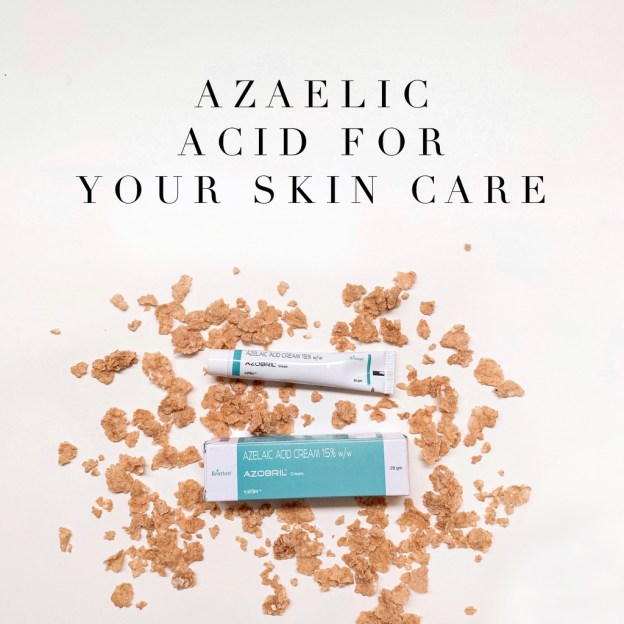
Azaelic acid for your skin care

Azaelic acid is one of the most underrated active skin care ingredient which is found naturally in our skin, and is helpful in the treatment acne,rosacea and as part for your skin care routine for a blemish free skin.

Azaelic acid (AA) is a dicarboxylic acid that is naturally found in wheat, rye and barley. Azaelic acid is also produced by a yeast that lives in our skin called Malassezia furfur. This explains why over colonisation by this yeast results in pale patches in the skin which is medically termed as Pityriasis versicolor. Owing to this acid’s potential to cause reduce pigmentation, azaelic acid has been widely used to treat hyperpigmentation.

How does it work?

  • Azaelic acid has been shown to have a bacteriostatic (inhibits the growth of microbacteria) and bactericidal (kills the microbacteria) action against micro organisms in our skin particularly Priopionibacterium sp (bacteria responsible for acne).
  • Azaelic acid also displays anti keratinising effect i.e it inhibits the proliferation of keratinocytes (cells of our skin) which would otherwise build up and clog our pores thus leading to formation of comedone (white or black head)- precursors for acne. If you recall from my previous posts, retinoids (vitamin A derivative) also has this action. AA does not however reduce sebum production (oil secretion) in your skin unlike oral isotretinoin (vitamin A derivative used in the treatment of acne).
  • Azaelic acid demonstrated cytotoxic effect (toxic to cell) towards active melanocytes (pigment producing cells of our skin), which means it does not affect the inactive melanocytes in the normal skin, thus it particularly targets just the abnormally pigmented area. It also inhibits the action of the enzyme tyrosinase, which is required for melanin (skin pigment) synthesis. Therefore it is effective as a skin lightening agents and is used to treat pigmentation disorders.
  • Azaelic acid (AA) has been found to act as a scavenger of reactive oxygen species (ROS) therefore reduces inflammation and redness of the skin.
  • Source :https://www.ncbi.nlm.nih.gov/pubmed/1712709

Dermatological conditions in which Azaelic acid is proven to be beneficial

Acne:

Azaelic acid in the strength of 20% have been shown to be effective in the treatment of mild to moderate acne. Studies have shown that twice daily application of 20% AA cream is effective than a vehicle (cream without any active ingredient) in the management of acne. Significant results were only well appreciated after 12 weeks i.e 3 months of continuous use. A study has also shown that 20% AA is as effective as 0.05% tretinoin (retinoid) in the treatment of comedonal acne.

Another study comparing the effectiveness of 15% AA with 5% benzoyl peroxide and 1% clindamycin gel (other active ingredients for the treatment of acne) showed equal efficacy of AA at the end of 4 months.

All these studies as well as reports from dermatologists have noted that the average time of achieving improvement with AA for acne was ~73 days equivalent to over 2 months of continuous use.

Azaelic acid is a great option for acne prone skin especially if someone is not tolerating other active ingredients used for acne such as adapalene, tretinoin or benzoyl peroxide.

Rosacea:

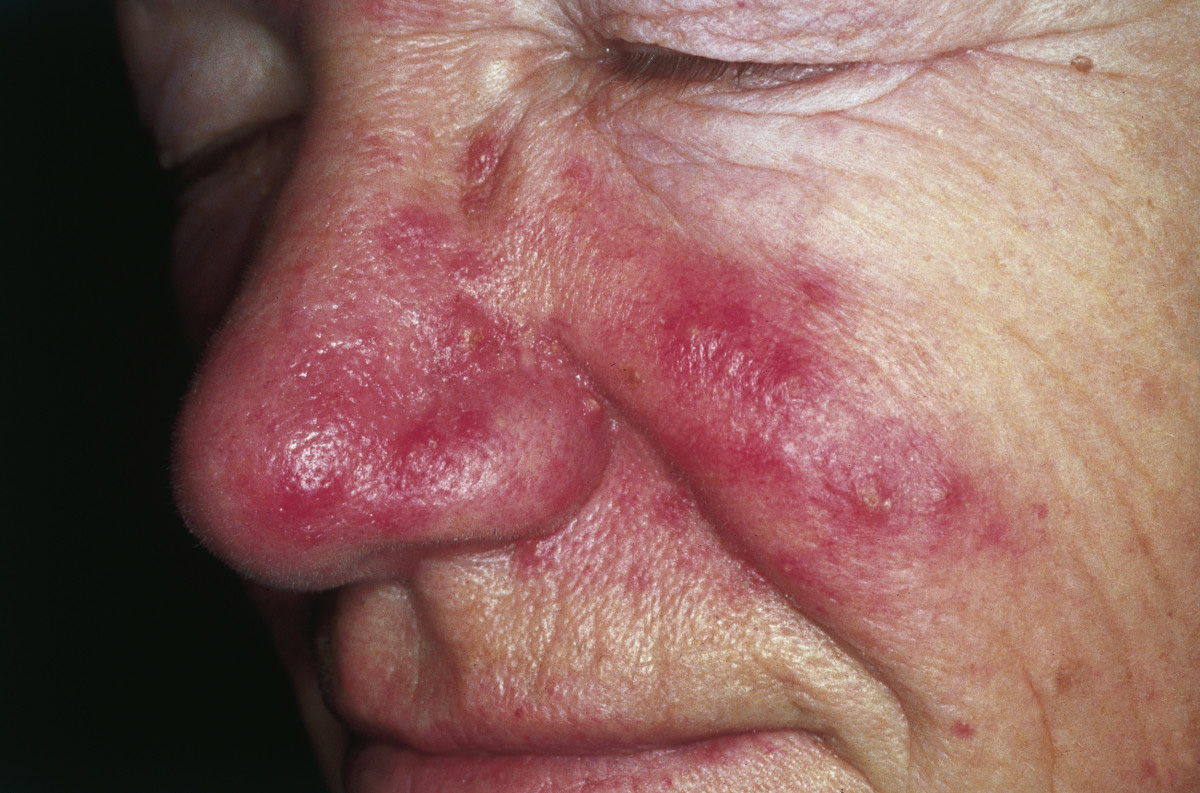
AA is FDA approved in the US for the management of rosacea (particularly papupopustular rosacea). Rosacea is a condition which can present like acne with multiple red bumps with red inflamed cheeks. Patients with rosacea have extremely sensitive skin and the redness can be triggered by various stimuli such as hot drinks, smoking etc.

15-20% AA used topically twice a day was shown to be effective for reducing the number of papules and pustules and to a little extent the redness in patients with rosacea. These improvement were achieved over a 15 week course of treatment.

Pigmentation:

Azaelic acid either alone or in combination with various other active ingredients is used to fight pigmentation. A study on the effectiveness of topical 20% AA in patients with FST IV -VI i.e brown or Indian skin type to black African type, concluded that twice daily application of AA lighten the pigmentation after 24 weeks (6 months) and also improved the smoothness and texture of the skin (which is great if you’re trying to even out your skin tone and skin texture)

Combination of 20% AA and 0.05% tretinoin is also available for the treatment of melasma. The study to support this combination compared AA as monotheray vs the combination therapy. Patient showed faster improvement in the form of decrease pigmentation and decrease in the size of the pigmented area in the combination group than AA monotherapy. However at the end of the study, i.e 6 months both treatment form achieved similar overall results.

How to use azaelic acid ?

Studies on azaelic acid either use 15% or 20% AA applied to the entire face twice a day. The side effects are mild stinging sensation or itching for the initial few days which subsides with subsequent continuous use.

  • First cleanse your face using a gentle cleanser
  • Let your face dry for like 30 mins and then apply a small amount of AA to your entire face.
  • If you are new to active ingredients for your skin care, I suggest starting with a low strength such as 10% AA twice a day to a clean face which can then be increased to 15% or even to a maximum of 20% AA.
  • This can then be layer with a moisturiser on top.
  • Do not forget your sunscreen in the morning after the above routine.
  • AA can be used as spot treatment for the inflamed acne or rosacea as well in addition to the twice daily application.

What to expect with Azaelic acid?

AA is a good option to treat mild to moderate acne and rosacea and its safe during pregnancy and can be used safely in nursing mothers as well.

For those of you who are planning pregnancy, or are pregnant, AA is a great option to use especially for someone who was using a retinoid (which is contraindicated in pregnancy) and needs some other active ingredient for their skin care.

Azaelic acid will definitely test your patience. Acne and rosacea usually show improvement in 2-6 months while it can take upto 6 months to achieve significant results with AA for pigmentation disorders such as Melasma.

Azaelic acid available in the market

AA is available as 10%,15% and 20% cream and gel particularly used for the treatment of acne and rosacea.

Finacea 15% is available as a foam and is particularly useful for rosacea who cannot tolerate other ingredients present in the cream base.

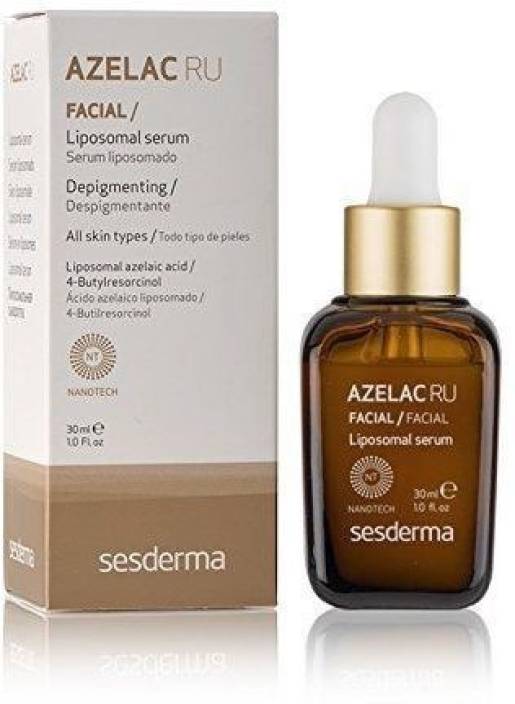
AA is also available as a combination of 20% AA + 0.05% tretinoin cream and as a combination with trenexamic acid in a serum form.

Controversies regarding sunscreens

This is in continuation the my “All About Sunscreens” post. There are a few controversies relating sunscreens that we are worth mentioning.

1. Does regular use of sunscreens causes deficiency of Vitamin D?

SUNLIGHT IS REQUIRED FOR OUR BODY TO PRODUCE VITAMIN D

Multiple studies have shown that consumers do not use the adequate recommended amount of sunscreen on a daily basis to prevent vitamin D synthesis in our body. Vitamin D can also be obtained from our diet and many fortified food products such as milk fortified with Vitamin D which can compensate for the lack of Vitamin D synthesis via sunlight.

UVB is responsible for Vitamin D synthesis. Adequate amount of Vitamin D can be produced in our body in just under 15 mins of sun exposure to the mid day sun. This process can take longer for darker skinned individuals since they have a natural protection against the sun. Regular daily use of even adequate amount of sunscreens does not lead to Vitamin D deficiency as there are always some parts of our body that are always left unprotected such as our feet or neck or even hands through which UVB can penetrate and initiate the process of vitamin D production in our skin. A recent study showed that:

Regular daily use of adequate amount of sunscreens with high SPF (SPF 50) even in Indian patients with (FST III ,IV) did not cause any vitamin D deficiency in these individuals.

2. Are chemicals used in sunscreens killing our coral reefs?

Few articles were published claiming that chemicals used in sunscreens were toxic to coral reefs and caused bleaching of the reefs. Based on these reports, many beaches in Hawaii and in Florida banned the public use of sunscreens at their beaches. This however was unjustified and potentially risky, exposing beach goers to the increase risks of sunburns and skin cancers.

Several other articles followed debunking this controversy. They highlighted that the earlier reports on the toxic effect of sunscreens on coral reefs were based on experimental studies in laboratories where the reefs placed in plastic bags and were exposed to higher amounts of the chemicals than that present in sunscreen products. This caused bleaching of the reefs. It was then pointed out that the results of these experiments did not translate to real life. The amount of chemicals dispersing from human’s skin into sea water was barely detectable. Since longterm,detailed, well studied scientific evidence regarding this claim is not available yet, banning sunscreens which could prevent skin cancers is unjustified.

It is more important to stress on the fact that rising water temperatures as a result of global warming is more responsible for destroying our coral reefs than sunscreens.

3. Chemical sunscreens are absorbed systemically (into our blood stream) at high concentration. Should we be concerned?

A study published in the Journal of American Association (JAMA) in May 2019 shed new light on the systemic absorption of topically applied sunscreens. The study concluded that active ingredients used in chemical sunscreens such as avobenzone, oxybenzone, octocrylene, ecamsule were all absorbed systemically (into the blood stream) after topical application at significant concentration ( >0.5 ng/ml). According to the Food and Drug Administration (FDA) any ingredient which is absorbed into the system at such concentrations needs further evaluation into the safety and significance of such ingredients in our body. It also means that manufacturers of over the counter sunscreens must produce scientific data on the absorption and safety profile of their sunscreens.

The study concluded that, consumers must not neglect the use of sunscreens that can prevent various types of skin cancers based on this results, since the presence of such chemicals in our blood does not necessarily mean they are toxic or harmful.

For those concerned about this can always opt for mineral (physical) sunscreens.

4. Sunscreens used by adults are not safe for kids?

The incidence of skin cancers are increasing over the years and a unprotected sun exposure during childhood further increases the risks of such cancers in adulthood. Therefore sun protection is especially valuable for children, as it not only decreases the chances of sunburns but also decreases the risks of skin cancers in adulthood.

Regular use of sunscreen during childhood has been estimated to reduce lifetime skin cancer risk by up to 80%

There is no actual difference between sunscreens marketed for adults and for children, nor is it more harmful for children to be using sunscreens formulated for adults. Children are known to have more delicate skin and can be sensitised to various components in the sunscreen products, therefore most sunscreens marketed exclusively for children have less components (fragrance and paraben free) and are mostly mineral based containing zinc or titanium oxide which does not result in sensitisation and allergic reactions.

It is important to note that, the FDA does not approve the use of sunscreens in children less than 6 months of age. Physical sun protection such as wide brim hats, using strollers with proper shade, long sleeves clothing and avoiding exposing babies to sunlight between 10-16:00 hours is the recommended sun protection measures for such age groups.

My personal advice is, if your child is not allergic to any components of the sunscreen and is above 6 months of age, there is no reason to buy a separate sunscreen marketed exclusively for kids.

If you have heard or more controversies regarding sunscreens and want me to discuss about it, drop in a comment below.

All about sunscreens

Sunscreens are the number one skin care product every dermatologist swears by. In the Western countries, where the incidence of sunburns and skin cancers are high among Caucasians, sunscreen is life saving. In a country like India, where the individual’s skin type (FST IV and V) predisposes them to pigmentation disorders (melasma, post inflammatory hyperpigmentation -PIH), sunscreens are the first armour to fight against pigmentation.

Lets recap a little on solar radiation, so as to understand what exactly a sunscreen does.

UVA– 98-99% of the solar radiation reaching the earth’s surface. UVA is the spectrum of UV radiation that can penetrate the dermis and is responsible for immediate tanning, photoaging, pigmentary disorders, photodermatoses such as polymorphous light eruption etc

UVB– 1-2% of UVR reaching the earth’s surface. UVB is highly energetic but does not penetrate beyond the epidermis (superficial layer of skin) and is responsible for sunburns, skin cancers and delayed tanning. UVB is also required for Vitamin D synthesis in our body.

UVC– filtered out by the ozone layer and does not reach the earth’s surface.

How sunscreens work?

There are two types of sunscreen :

Physical or inorganic sunscreens

They contain titanium dioxide, zinc oxide, iron oxide, or calamine, and functions by forming a coat on the skin that reflects, scatter or absorb the UVR. Physical sunscreens are ideal for patients with sensitive skin as the ingredients do not interact with the proteins and lipids in the skin, and they can protect against both UVA and UVB radiation but they bear the disadvantage of leaving a white cast on the skin. The newer physical sunscreens are relatively more expensive as well.

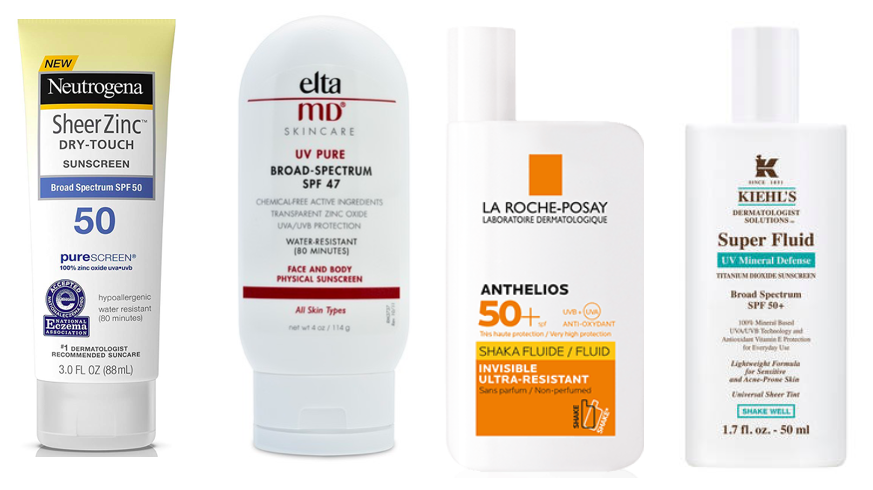
Micronised & ultrafine particles of zinc or titanuim oxide are generally considered more acceptable cosmetically. Multiple positive reviews on elta MD and LRP physical sunscreen, consumers remarked that these sunscreens do not leave white cast and blends easily.

Neutrogena and kiehl’s have mixed reviews. They seems to be well suited for fair skin individuals and not very aesthetically pleasing to individuals with darker skin tone.

Chemical or organic sunscreen

Most sunscreens available in the market are chemical sunscreens. They contain ingredients that can absorb UVR and converts it to heat energy which then dissipates into the environment. They do not leave a white cast on the skin and hence considered more cosmetically acceptable.

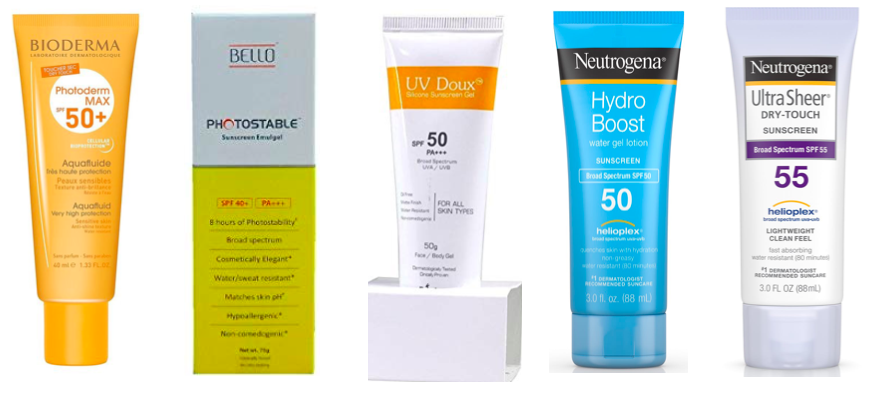
Chemical sunscreens are most commonly found in the market. Bioderma photoderm max has a combination of both physical and chemical sunscreen and no white cast on application.

Active ingredients in chemical sunscreens

It is not uncommon to find a mixture of both physical and chemical sunscreen as well. The disadvantage of a chemical sunscreen is that the active ingredients can react with components in the skin such as proteins and lipids which then may result in wanted production of reactive oxygen species causing irritation to the skin. Susceptible individuals may be sensitized to these components in the sunscreen which will manifest as contact allergic dermatitis (red, itchy skin). For this reason physical sunscreens are preferred for patients with sensitive skin.

What does SPF and PA factor mean?

SPF stands for sunburn protection factor which is a measure of protection against UVB induced sunburn. Sunscreen which only mentions SPF means they only provide protection against UVB and not UVA ( the spectrum which is responsible for pigmentation, photoaging). The grading of SPF is as follows:

  • Low: SPF 2 – 15
  • Medium: SPF 15 – 30
  • High: SPF 30 – 50
  • Highest: SPF >50

An SPF of 15 blocks 93% and an SPF of 30 blocks 95% of the UVB radiation. Note that double the SPF does not mean double the protection. Sunscreens with higher SPF contains more active ingredients which may make the product less pleasing to use to some individuals.

PA factor measures the protection against UVA. It measures the Persistent pigment darkening (PPD) or tanning after UVA exposure.

  • PA + : some protection from UVA
  • PA ++: moderate protection
  • PA +++: best protection
  • PA ++++: highest protection : rare to find this in products

How to use a sunscreen?

A given sunburn protection factor in a sunscreen can be obtained only when the right amount of sunscreen is used. Studies use 2mg/cm2 when testing for SPF in a sunscreen, however in reality we tend to use a lesser amount which will then result in a lower SPF than what is labelled in the sunscreen. Therefore dermatologist recommend a higher SPF (SPF>30) to help compensate for the inadequate application.

Dermatologist use the “teaspoon rule” to determine the correct amount of sunscreen needed.

  • 3 mL (slightly more than half a teaspoon)- 3 mL for each arm and 3 mL for the face and neck
  • 6 mL (slightly more than a teaspoon)- 6 mL for each leg, 6 mL of the chest and 6 mL for the back

Apply a sunscreen at least 20 mins prior to outdoor exposure so as the ingredients can form a uniform layer on the skin. It is also ideal to wait 20 mins before putting on clothes otherwise a significant amount of sunscreen will be wiped away during the contact with clothing. The best way to do this is to apply a sunscreen right after a shower or washing your face in the morning and not wait until its time you get dressed for work.

When to re-apply a sunscreen?

We are all familiar with the golden rule of “re-application of sunscreens” which states that a sunscreen must be re-applied every 2 hours as physical activities like touching your face, sweating, friction from contact with sand at the beach can remove some amount of sunscreen from your skin. Reapplication is also recommended after activities in water.

So does this rule apply to modern water-resistant sunscreens which can bind effectively to the skin and retains its said SPF even after 40-80 mins immersion in water?? Recent studies have shown that reapplication helps compensate for the under application of sunscreens. Reapplication after 20 mins also provides better protection against sunburn than delayed reapplication i.e after 2 hours. Therefore early reapplication of a sunscreen is preferred, ideally within the first hour of the first application.

Gentle application is better for sunscreens with gel, or creams consistency. Rubbing it immediately on the skin is recommended for spray sunscreens.

Always search for a broad spectrum sunscreen (UVA & UVB protection) and a water resistant sunscreen.

White cast of physical sunscreens.

The white cast blends with the skin in 30-40 secs of gentle rubbing.

Aesthetics of chemical sunscreens

No white cast, no excuse. Wear sunscreen.

Scientific evidence of the effectiveness of sunscreens for melasma in Indian patients.

A recently published study in the Indian journal of dermatology which studied the efficacy of two different sunscreens on skin pigmentation. A total of 230 patients were recruited in the study. One group was given a sunscreen with an SPF of 50 with PA +++ and the other group a sunscreen of SPF 19 and PA +++. At the end of 12 weeks of twice daily usage, a significant improvement in the form of decrease density of pigmentation and better radiance was noted in both groups. The conclusion is that:

Regular use of a sunscreen with high UVA protection (PA+++) highly effective in improving the skin radiance and in decreasing the skin pigmentation.

So my advised is always look for a sunscreen with PA+++ if you have pigmentation issues, and if you are also prone to sunburns, then get one with an SPF of at least 30.

Hope this was helpful. And stay tune to my next posts on “Controversies regarding sunscreens”.

Retinoid for fighting pigmentation, acne and ageing skin.

As part of the series for active ingredients for pigmentation and as a continuation to my blog post on “vitamins and skin”, let’s dive in the details of another vitamin, that is – Vitamin A, also known as Retinoid.

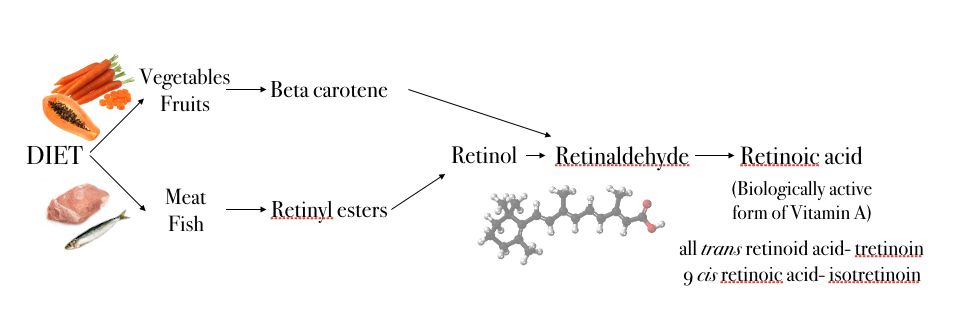
Retinoid was a term first used to describe the active form of vitamin A. It comes in two forms: trans retinoic acid (tretinoin) and cis retinoic acid (isotretinoin), depending on the molecule groups orientation. The prefixes “cis” and “trans” are Latin for: “this side of” and “the other side of”.

fig. molecule’s bonding and geometry for Tretinoin (left) and Isotretinoin (right).

Today retinoid is used as an umbrella term to encompass all derivatives of viatmin A such as retinoic acid, retinol, retinal esters, retinaldehyde.

Vitamin A and its derivative

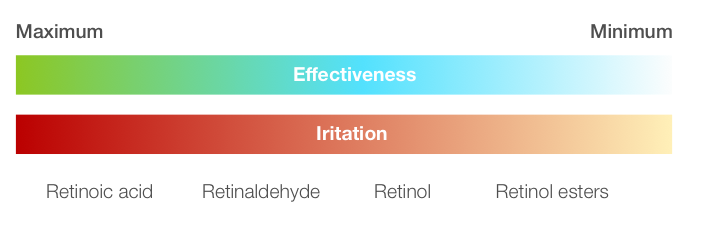
The order of activity of a topical retinoid

The order of activity of a topical retinoid is as follows:

In others words retinoic acid is highly effective while retinol esters are least reactive. The irritant potential however is reverse, retinol esters causes the minimum irritation while retinoic acid causes maximum irritation.

How Vitamin A works on the skin?

Vitamin A derivative found in our skin are retinol and retinyl esters. These are then converted to retinoic acid, the biologically active form, by certain enzymes. Retinoic acid binds to receptors present inside the nucleus (center) of our skin cells to mediate various biological effects.

It regulates the cell turnover: As the cells in our skin divide and move from the basal layer to the uppermost layer as dead cells (the stratum corneum) and are shed off, there are various changes that can take place, such as changes in the shape and composition of the cells. This entire process is call “keratinisation” or in simple words “cell turn over” which takes approximately 28-30 days. Retinoids help regulates and makes sure this process is occurring normally. This is particularly useful for acne, where the follicular keratinisation (the cell lining inside of a hair follicle) is abnormal. Check out my previous blog post on to see how acne develops: “How to deal with truncal acne?”.

fig. Layers of the epidermis (superficial most layer of skin)

It also affects the growth and differentiation of cells: it increases the activity of cells responsible for production of collagen, and causes an increase in the thickness of the epidermis.

Retinoids also increase production of extracellular matrix and prevent its degradation by UV rays. Extracellular matrix are carbohydrate molecules present in the dermis which act as a cushion in which blood vessels, collagen and elastin are embedded and is responsible for the suppleness of our skin.

Anti-inflammatory: Thus helps prevent the development of inflammatory (red, painful) acne.

Reduction in pigmentation: Retinoid inhibits tyrosinase – an enzyme required for melanin production (pigment responsible for our skin colour) and due to the increase cell turnover it reduces the transfer of melanin to the keratinocytes. †

The expected results with retnoid

The overall clinical effects of topical retinoid are:

  • It prevents formation of comedones (white heads, black heads), reduces the number of breakouts. Retinoids are the topical medication for choice for non inflammatory comedonal acne.
  • Helps reduce fine lines, and can reverse changes seen with chronic unprotected sun exposure (photoaging).
  • Retinoids can help improve the appearance of pores, and provides a smooth texture with a youthful appearance to the skin.
  • Retinoid in the form of retinoic acid (tretinoin) is used in combination with hydroquinone (depigmenting agent) and mild steroid called “triple combination” to decrease pigmentation and evens out skin tone. This combination has been the standard first line treatment by dermatologists for pigmentary disorders such as melasma, post inflammatory pigmentation (dark spots following conditions such as acne, or various forms of dermatitis). Another combination using 10% retinol + 7% lactic acid has shown to be equally effective to reduce pigmentation.
  • Therefore, retinoids in various forms are used for the management of acne and as an anti ageing ingredient.

Commercially available retinoids

1. Retinoic acid

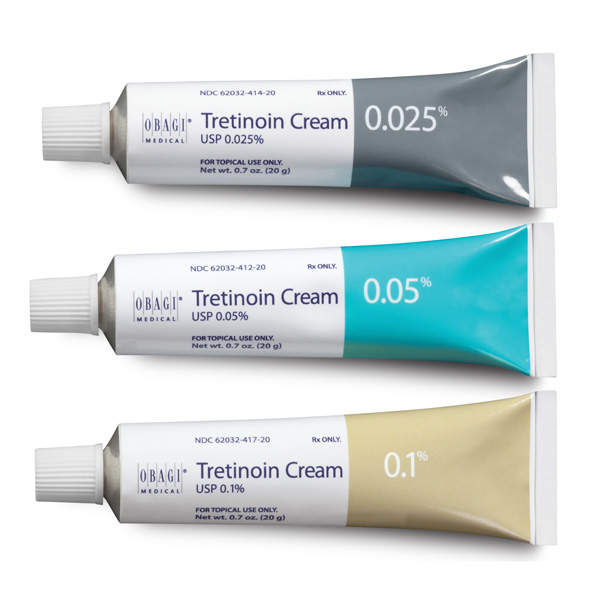
The biologically active retinoid, retinoic acid is available as tretinion. It comes in three strengths : 0.025%, 0.05% and 0.1% formulated in a cream base. There is also a microsphere gel base in the strength 0.04% and 0.1%.

Image credit: dr viggiano.

2. Adapalene

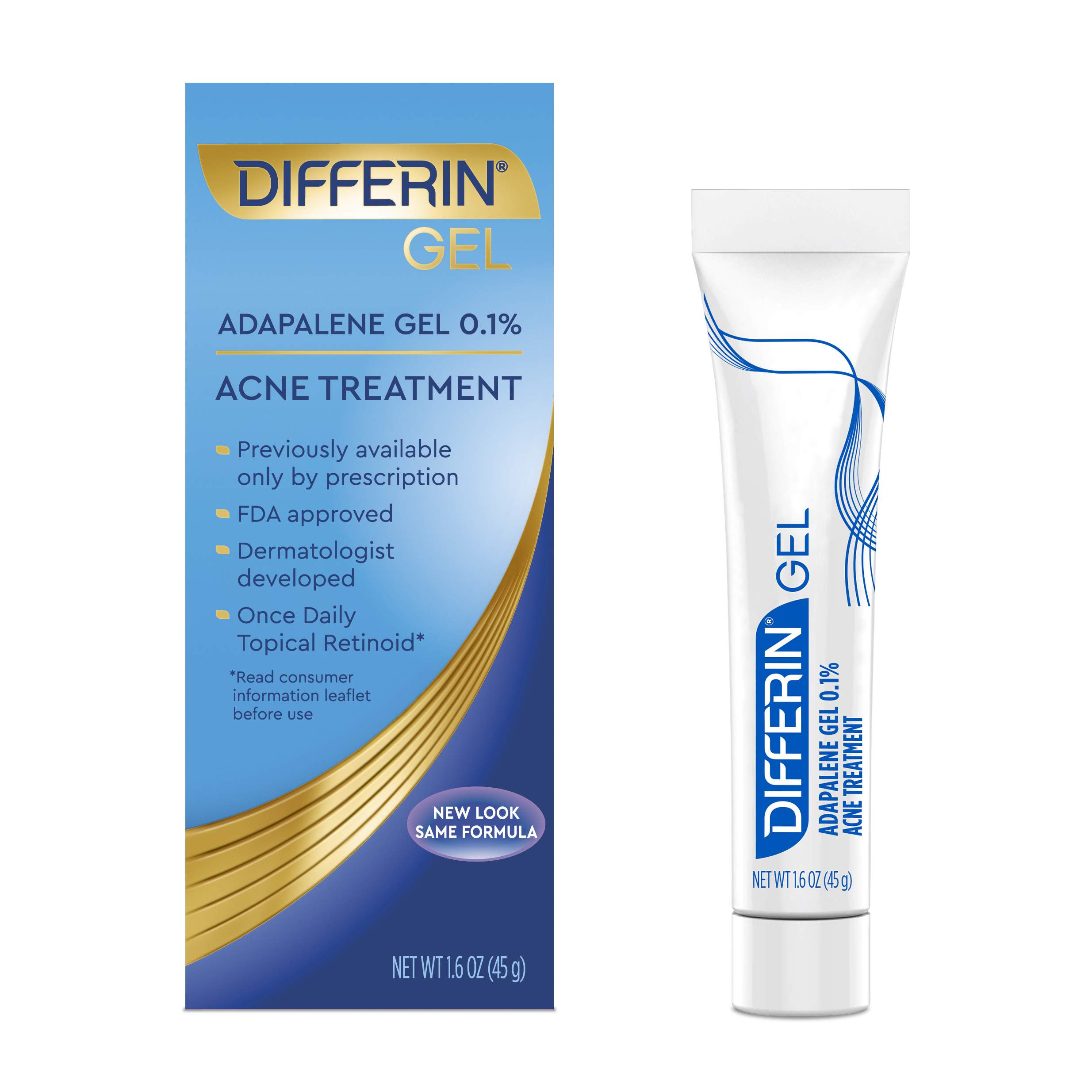
Adapalene is a synthetic retinoid similar to all trans retinoic acid tretinoin. It is available as a 0.1% gel, cream or solution and as a 0.3% gel for the treatment of acne. Adapalene (Differein) can be bought at the pharmacy without a prescription. It is now available as a combination with benzoyl peroxide (Deriva BPO gel, Epiduo gel) or with clindamycin (ClearApgel, Deriva CMS gel) as well.

3. Retinaldehyde

Retinaldehyde is the immediate precursor of the active form of Vitamin A-retinoic acid. Retinaldehyde in 0.05% and 0.1% concentration used twice daily for 12 weeks have been shown to be effective in treating photodamaged skin (rough, dry skin with fine or coarse wrinkling) and pigmentation. After application, retinaldehyde needs to be converted in the skin to retinoic acid by certain enzymes. This prevents the over saturation of our skin with retinoic acid and thus is better tolerated with fewer side effects. However the expected results can be slower than with retinoic acid.

3. Retinols

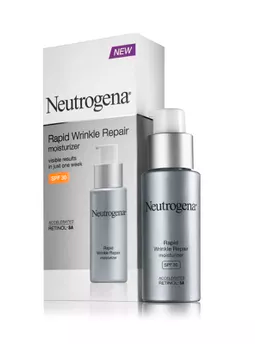
Many over the counter anti ageing, and pigmentation cream contain various concetration of retinols (0.3%, 0.5%, 0.1%) as the active ingredient. As you can see from the above image on vitamin A & its derivative, retinol needs to be converted to retinaldehyde which is in turn converted to retinoic acid. Retinol is 20 times less potent than retinoic acid (tretinoin) but the bears the advantage of less side effects. But retinol is highly unstable and gets degraded easily to inactive forms therefore the choice of the vehicle is of utmost importance for this ingredient. This neutrogena does not mention the concentration of retinol but from what I found online, its probably a lower concentration of 0.025%, which is great if you’re just starting with a retiniod.

Side effects of topical retinoids and how to combat it

Over saturation of our skin with retinoic acid can irritate our skin. Therefore the side effects are mostly seen with topical retinoic acid such as tretinoin. For this reason and because retinoic acid has biological effect when applied on the skin, it is considered a drug and requires a doctor’s prescription. Such regulations are not followed in India, and one can buy almost anything over the counter here, but I strongly discourage using retinoic acid as part of your skin care regimen without a prior dermatological evaluation or without supervision from your prescribing doctor.

During the first few weeks of topical application of a retinoid, redness, flaking of the skin, acne flare, photosensitivity are expected. This can be minimised by starting with the lowest concentration of retinoid, or by limiting the amount and the frequency of application.

It is advised to start with either twice in a week application, or alternate days application once at night for the entire face and never in the morning. The frequency and strength can be increase according to our skin’s tolerance to the product. Moisturisers and sunscreens are a must while using a retinoid.

Retinaldehyde and retinols have fewer chances of causing this irritation and are the best bet if one wants to start using a retinoid in their skin care and for someone with sensitive skin.

Retinoic acid such as tretinoin being more irritant should be avoided for someone with dry, sensitive skin or someone with skin conditions such as Rosacea.

Retinoids should not be used during pregnancy.

Interested in a vegan option?

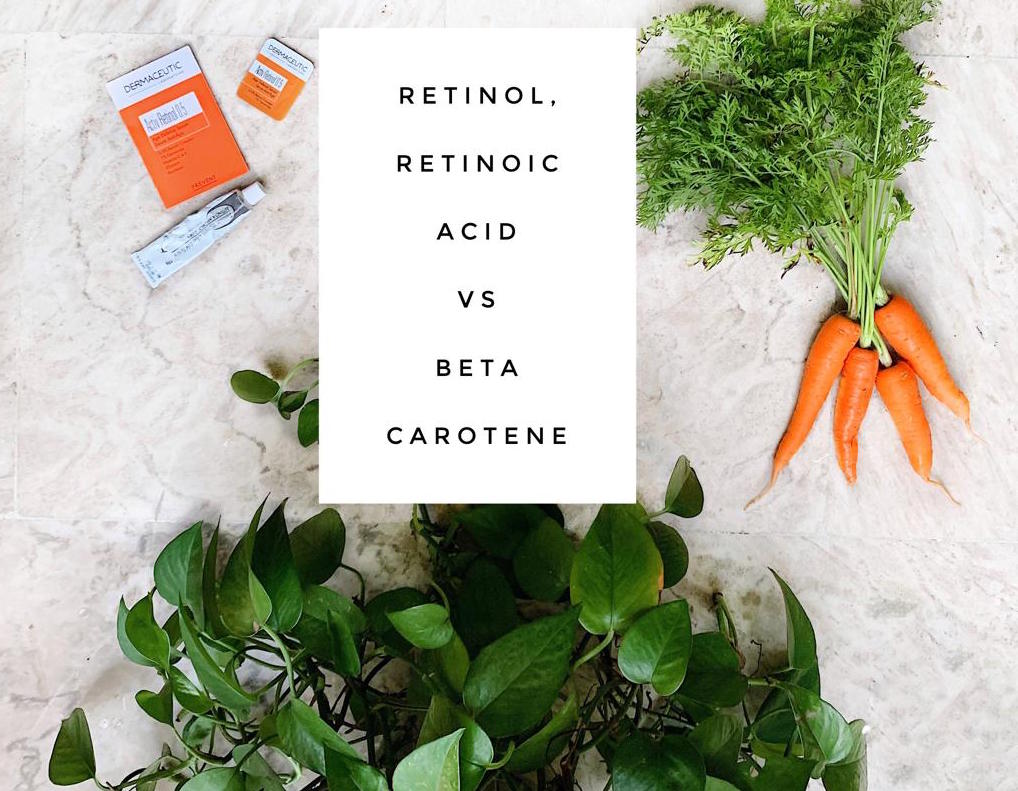
Retinol, retinaldeyde and retinoic acid are animal derived forms of vitamin A while beta carotene is derived from plant and fruits. Beta carotene can be converted to retinal esters and retinaldehyde in our body which are then converted to the active form retinoic acid.

A study done to assess the effectiveness of beta carotene based cream with a sunscreen for melasma patients showed that beta carotene helped to gradually reduce the pigmentation in patients over a 16-24 weeks time. Beta carotene is also an anti oxidant that can help as an anti ageing ingredient by reducing oxidative stress.

Ecco bella natural age antidote day cream contains beta carotene along with titanium dioxide (physical sunscreen), vitamin C and vitamin E as active ingredients.

Is oral supplementation even better?

I’ve highlighted in my previous blog posts on oral vitamin supplementation and its indication. Studies have shown that oral supplementation with 30mg/day of beta carotene for 90 days can improve the appearance of wrinkles and elasticity of the skin. Thus stemmed the phrase:

A carrot a day keeps the wrinkles away

However a carrot can only provide a maximum of 6 mg of beta carotene. So if you want to duplicate the results of this study, you’ll need at least 6 large carrots a day.

Since long term study on the effect of vitamin A supplementation on our body as a whole has not been carried out, the potentials dangers that may result from toxicity of vitamin A has not been ruled out yet. Till we know more about the the benefits and risks of oral intake of vitamin A (beta carotene supplements), its best to avoid oral supplementation and stick to what we know, which is topical sunscreens and topical retinoids to fight signs of ageing and pigmentation.

It is important to note that, scientific research on the role of an active ingredient for pigmentation or ageing are performed over weeks with a minimum of 12 weeks before any conclusion can be drawn from the studies.

Therefore, always use a product for at least 12 weeks before you decide to conclude that the product is not working and move on to the next best thing.

Niacinamide- the “magic” behind fairness cream?

As the hunt for white skin continues especially in a country like India, where “pale, fair skin equates to beauty and better social status”, did you ever wonder what exactly does “fair and lovely” or “ponds white beauty” actually contain?

These fairness products contain a water soluble vitamin B3 called ”Niacinamide”. Like all vitamins, Vitamin B3 is required in small quantities for our body’s normal physiological process. Vitamin B3 is of two forms: nicotinic acid (used for lowering blood cholesterol) and niacinamide (biological form in skin care products).

This vitamin was first isolated by an Austrian chemist from nicotine following a complex process of oxidation with nitric acid. When this vitamin was fortified with flour (similar to fortification of salt with iodine- called iodised salt) in the US, they ran an ad saying “TOBACCO IN YOUR BREAD”. This was a misconception. We cannot get nicotine from consuming vitamin B3 rich food nor does tobacco contains vitamin.

I’ve mentioned in my previous blog post “The juicy story of vitamin C”, that the only indication for oral vitamin supplementation is for conditions or situations that causes a deficiency of the respective vitamin. We’ve learnt that vitamin C deficiency causes scurvy, deficiency of vitamin B3 causes a condition call “Pellagra” which is a multi system disease, and med students remember the symptoms of this disease as 4 D’s -diarrhoea, dermatitis, dementia and death. Since its deficiency causes dermatitis (inflammation of the skin), it means vitamin B3 plays an important role in our skin. Vitamin B3 is derived from food items such as salmon,tuna,pork,liver,chicken,whole wheat and peanuts. Pellagra was seen to be endemic in areas where the stable food is corn (maize), as viatmin B3 in corn is found in a bound form which is not available for absorption therefore these individuals were deficient in this vitamin. Individuals whose stable diet was rice (wheat contains niacinamide) were protected from this disease.Thus Vitamin B3 is also call Vitamin PP or PP factor which means Pellagra preventing factor.

Effect of niacinamide on the skin

On acne

Multiple well controlled studies of the benefits of niacinamide in treating acne are available . The percentage of niacinamide used in these studies are 2-4%. It has been shown to reduce the number of acne and also has a role in reducing sebum (oil) production. However, combination treatment is more efficacious for the treatment of acne.

On pigmentation

Niacinamide prevents the transfer of melanosomes (cellular structures containing the pigment melanin-responsible for our ski colour) from the melanocytes to the neighbouring keratinicytes. For this action, niacinamide is required at a higher concentration. A study comparing the effect of 4% hydroquinone (skin bleaching agent) to 4% niacinamide shows that hydroquinone is superior to niacinamide as a skin lightening ingredient. Niacinamide also takes a longer time (3-4 weeks later than hydroquinone) in reduction of skin pigmentation. Creams such as “fair and lovely”, “ponds white beauty” and more use niacinamide in their products as a skin whitening agent.

It is important to note that, the a certain percentage of niacinamide is required for the “whitening” effect. Most companies fail to mention the percentage of concentration of niacinamide in their products. Also as these are cosmetics, the companies manufacturing them do not need to prove the efficacy of the product (which means they do not have to prove the product does what it claims).

Anti ageing

It has been shown in laboratory studies that niacinamide can increase production of collagen (structural framework of our skin). This together with its photo-protective action (protection from damages induced by UV rays), can slow down the process of photoageing. With ageing and chronic unprotected sun exposure, a process call glycation of proteins occurs in the skin, which causes the production of stiff and rigid collagen and elastin. This is reflected in the skin as a change in the natural complexion and loss of elasticity of the skin. The skin appears yellow and less supple. Niacinamide has been shown to prevent this process from occurring thereby slowing the process of ageing.

Barrier repair

This is by far the most useful property of niacinamide. It increases the production of proteins, fatty acids in the skin which is responsible for providing a natural moisturising effect as well as restore the damages skin barrier. Therefore its moisturising and anti inflammatory effect is particularly useful for patients with atopic eczema, rosacea, dry skin.

When to incorporate niacinamide to your skin care?

Niacinamide is the perfect skin care ingredient for dry, dehydrated skin, or for patients with eczemas, or highly sensitive skin not tolerating other ingredients.

As for acne, niacinamide alone may not be very ideal. This in combination with other active ingredients such as benzoyl peroxide, adapalene will prove to be more beneficial.

As a skin lightening, niacinamide can potentiate the effects of other active components that also work to reduce skin pigmentation. Topical application of a combination of niacinamide with N-acetylglucosamine (NAG) has been shown be to significantly effective in reducing pigmentation. However niacinamide monotherapy for this indication is unlikely to be effective.

As an anti ageing ingredient, niacinamide (4-5%) have also been shown in clinical studies to reduce the appearance of fine lines, sunspots, red blotchiness and sallowness (yellowish discolouration) of the skin. As niacinamide does not irritate the skin, it is suitable for vulnerable areas such as peri-orbital region (around the eyes) where other active agents such as retinoid may prove to be to harsh.

Cosmetic companies opt for niacinamide as the active agent for their “skin lightening” products as niacinamide unlike other vitamins like Vitamin C, is easier to formulate. It is a stable compound, not pH dependent, penetrates the layers of the skin easily and rarely causes any side effects.

Products that actually mention the % of niacinamide

LaRoche Posay lipikar gel fluid

LRP a reputed skin care line made in France have multiple products containing niacinamide. They use a combination of 4% niacinamide along with glycerine, ceramides (fatty acid present in skin for moistursing and barrier effect).

The ordinary niacinamide serum

The ordinary 10% niacinamide + 1% zinc serum. Zinc and niacinamide works together to reduce sebum (oil) production and reduces inflammation which is responsible for the development of red acne bumps- papules, pustules in acne patients.

Cereve facial moisturisng cream

Cereve facial moisturisng cream also contains 4% niacinamide + hyaluronic acid (molecule responsible for retaining moisture in the skin) + ceramides

Skin ceuticals metacell renewal B3

Skin ceuticals founded in 1994 by dermatologist and scientist Dr Sheldon Pinnel in U.S.A. Ever since the company has been producing high end evidenced based skin care products. Their metacell renewal B3 serum conatains 5% niacinamide + tripeptides +15% pure glycerine tackles early signs of ageing, dry skin and discoloration.

Common products that contain niacinamide but fail to mention the concentration.

Fair and Lovely

Fair and lovely is the number 1 fairness cream in the world. Sold under Uniliver, a company that first used niacinamide as a skin lightening agent in creams in 1971. The brand launched in India in 1975 and ever since has grown to a net worth of $200 million dollars. The brand is known for its controversial advertisement strategies, portraying darker skin individuals struggling in society until fair and lovely rescues them with a “whiter” skin tone. Like I mentioned earlier, being a cosmetic brand, the company does not need to prove the efficacy of the product. The instant gratification with this cream is due to the presence of titanium dioxide (a physical sunscreen) which gives a whitish coat on application to the skin. As to weather this cream really does what it claims, my research on this is based solely on user’s review and failed to find a definite YES or NO to this question.

Ponds white beauty

Another common fairness cream available in India. Also contains niacinamide without a mention of the percentage it contains.

Is niacinamide a magic ingredient for skin lightening?

Niacinamide can reduce pigmentation and even out skin tone. It is not as effective as hydroquinone ( holy grail ingredient for skin ligthtening), but since its has various other benefits to the skin, is relatively free of side effects and is well tolerated , niacinamide is a great ingredient if formulated at the correct concentration and in a correct vehicle.

If the aim is to reduce pigmentation and achieve a more even skin tone gradually, niacinamide plus a sunscreen along with ingredients such as glycolic acid, or retinioids can act as a “magic” ingredient that potentiate the effect of the other active components and also minimise the side effects of using glycolic acid & retinoids.

If you’re expecting blemish free and whiter skin overnight with just niacinamide as an active ingredient, that I can assure will not be a magical experience.

To pee or not to pee? The tale of the Jellyfish sting.

Summer is here and the beach is on our mind! Sunburns and sun safety are not the only things we need to be cautious about. ‘Tis the time to prepare ourselves for another beach health hazard, the dreaded “jellyfish sting”.

Jellyfish are present in all oceans but are more prevalent in warm tropical waters of the Indian and Pacific oceans surrounding Australia. Incidence of jellyfish sting has dramatically increased over the years owing to the influx of thousands of jellyfishes to the sea shore. Scientists believe global warming is responsible for such a trend. Warmer waters provides a favorable habitat for these marine creatures. It has been reported that 150 million jellyfish stings occurs each year. A recent event of a large number jellyfish sting that occurred in Hawaii, reported more than 900 beach goers stunk by Box jellyfish.

The influx of jellyfish into the shores has an effect not only on public health but on tourism as well. (Credit)

Google search for the treatment of jellyfish stings yields various conflicting results such as “peeing on the sting site”, “pouring vinegar”, “rinsing with alcohol”, “ice packs”, etc. So which is the correct first aid method for a jellyfish sting? Before we go into the treatment for a jellyfish sting, lets see how these stings occurs.

How a jellyfish stings you?

Jellyfish are equipped with stinging structures in their tentacles call “Cnidocyte” which discharges nematocyts, a cell containing venom responsible for the ill effects of a jellyfish sting on their prey. Evenomation (discharge of nematocyts) is triggered by mechanical stimuli, fresh water, and other chemical stimuli. The potency of the venom depends on the species of the jellyfish: Box jellyfish and Portugese man of war being the most dangerous types of jellyfish.

fig. mechanism of jellyfish sting

This entire process happens in a fraction of a second, making a jellyfish sting the most rapid mechanical event in nature. This is why first aid management of jellyfish sting is very critical.

Symptoms of jellyfish sting

Following a jellyfish sting, symptoms may be immediate or delayed. Stings can occur while you’re in the water or even when the skin comes in contact with a jellyfish washed up to the shore. Immediate symptoms include intense pain, redness, swelling and/or itching at the sting site. Wheals that follow the pattern of the tentacles may also be seen.

fig. jellyfish sting (Credit)

Delayed symptoms are similar to any contact dermatitis and therefore are usually diagnosed as a simple contact allergic dermatitis if the history of sea water exposure or visit to the beach is missed. It usually presents 3-5 days later as an erythematous (red), papular, itchy painless rash.

How to treat a jellyfish sting?

Jellyfish stings are mostly reported from beaches in Australia, or The Philippines. During my residency training in Goa, I did encounter a number of jelly fish sting, all of which were local dermatitis and pain, and I never personally encountered a case of anaphylaxis (severe allergic reaction) or fatal cardiac problems because of a jellyfish sting. I remember being asked by my professor about “Portugese man of war”, and I had no idea what this was at that time. Google search on this showed an article on the Times of India reporting sightings of this type of jellyfish in the beaches of Goa in 2018. So yes, though not as common as jellyfish stings in the waters of beaches like Australia or Malaysia, it can still occur in Indian beaches particularly the beaches of Goa.

Lets get down to the treatment part. Since there are thousands of different types of species responsible for the stings with different potency of the venom capable of causing various types of symptoms, there is still no one defined method to treat a jellyfish sting. The good news is that a majority of these stings are mild and self limited (subsides even without treatment).

The main aim of the treatment is to remove the tentacle from the skin and alleviate the pain caused by the venom released by the nematocyst during the sting.

Effective methods (backed up by scientific research)

Sea water soaks or flushing the area with sea water, helps removing the tentacles attached to the skin.

Local application of vinegar (4-6% acetic acid) though a common practice as a first aid method for jellyfish sting in various beaches around the world, laboratory studies have shown that vinegar can potentiate the release of nematocyts from certain multi tentacle species that frequent the waters of Australia. Vinegar is also contraindicated in stings caused by a ceratin species of jelly fish commonly referred to as “Lion’s mane” which are commonly found in the waters of Australia and Norway. Vinegar application is still adopted as a good method to relief pain from such stings in beaches away from Australia where such multi tentacle species are rare. Pouring of vinegar for approximately 30 secs to the affected area still forms the mainstay treatment for box jellyfish sting.

Vinegar provided at the beach as a first aid for jellyfish stings. (Credit)

Vinegar is a good method, for jellyfish stings at beaches other than beaches of Australia and the Norwegian coasts. Always follow treatment protocol of the beach in concern as the type of jellyfish found at different beaches varies.

Mechanical removal of the tentacles using a tweezer or gloved hands can also be done for the tentacles that fail to be removed using sea water or vinegar.

Hot water (45°C) immersion or hot water showers has shown to provide faster pain relieve than ice pack application. Studies have shown that hot water can neutralize the lethal venom of box jellyfish as well.

Local anaesthetic, is indicated if the above measures fail to relief the pain adequately.

Anti venom, produced in sheep to neutralize the venom of the box jellyfish (C. fleckeri ) is also available and is reserved for life threatening reactions such cardiovascular collapse.

Things to avoid

Fresh water, can alter the osmotic pressure which will favor the discharging of the nematocysts.

Urinating on the affected area, is a common mis concept that was even portrayed in the popular series “Friends, when Chandler peed on Monica after she was stunk by a jellyfish at the beach”. Urea, ammonia present in the urine has been shown to cause discharge of nematocysts from the tentacles which can release more venom and increase the pain.

To pee or not to pee?

Alcohol (spirits, ethanol), also increases the discharge of the nematocysts.

Mechanical trauma, such as rubbing the area will only stimulate the further release of the nematocysts

Do not rub the stung area while treating it. Gentle immersion or pouring of vinegar are the methods to be adopted

Pressure bandaging is also to be avoided.

Avoid manual removal of the stings using bare hands as secondary stings to the hands may occur.

Preventive measures

It is important to remember that “Prevention is better than cure”.

Avoid hanging out at the beach if there have been local reports of jellyfish sightings. It is important to note that the tentacles of even dead dehydrated jellyfish that has washed up to shore can still release nematocyts with potent venom.

Wearing protective equipment such as full body Lycra suits are advisable for swimmers and divers especially in high risk beaches such as beaches of Australia.

Skin inhibitor cream such as Safe Sea formulated with a water resistant sunscreen are commercially available as Anti jellyfish sting which can prevent the nematocyst from discharging when it comes into contact with human skin.

When to visit the hospital?

For local reaction, such as pain, redness or swelling of the stung site, the above measures are adequate to control the symptoms.

For severe systemic reactions which can present as dizziness, fainting, low or high blood pressure, abdominal pains, difficulty in breathing etc, immediate medical attention is necessary.

It is important to remember that though a common occurrence, jellyfish sting are rarely fatal.

Now that we’re fully prepared for those beach days, lets take a break, step out and enjoy the sun and sand, armed with the knowledge of how to deal with the sting of these marine beauties.

How to deal with Truncal Acne?

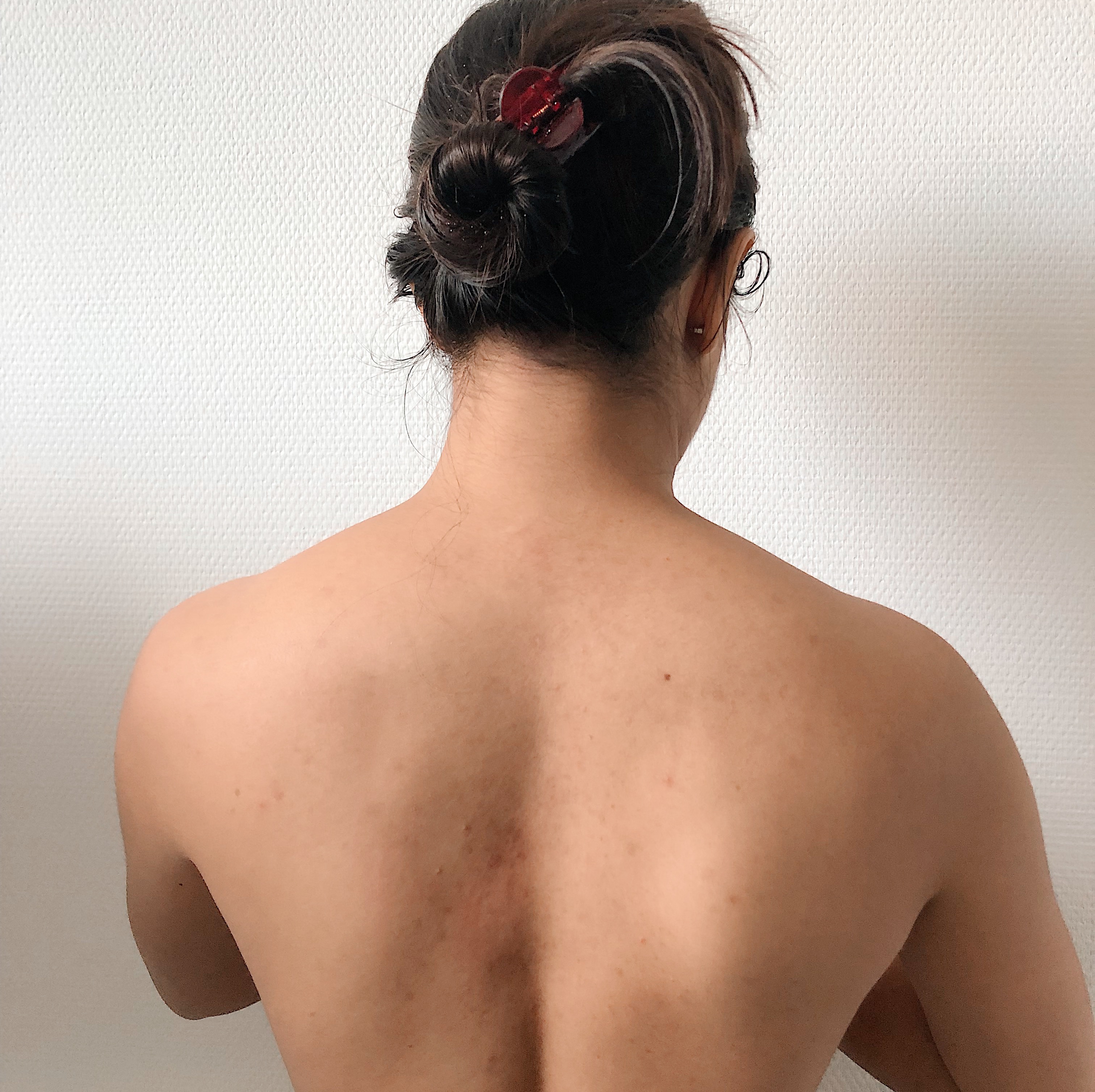
Acne, also known as acne vulgaris, is one of the commonest reason for a patient to visit a dermatologist. Truncal acne is when acne develops in the back or the chest. Most of the data and scientific studies available are concentrated facial acne, while less emphasis has been placed on truncal acne.

It has been shown that at least 50% of patients with facial acne also had truncal acne and 3% had complaints of truncal acne alone. So yes, it is possible for someone to suffer from truncal acne without ever having facial acne.

Most patients do not seek treatment specifically for their truncal acne. It is only when they’re asked for directly by their doctors or when undergoing a full clinical evaluation for their facial acne that they are raise their concern about their truncal acne as well.

How does acne develops?

It takes more to develop acne than just an oily skin.

Acne is a mutifactorial disease, caused by a complex interplay between genetics, hormones, micro organisms and inflammation.

The four main pathological process are: i) abnormal follicular keratinisation (anomaly in the process of how the cells of the skin differentiate into a layers of dead skin cells which are eventually shed off), (ii) increase sebum production (oily secretion produced by glands in the skin), (iii) Colonization by Propionibaceterium acnes (bacteria normally found on the surface of the skin but increase in number in acne vulgaris patients) and lastly, (iv) Inflammation (body’s natural response to the above three factors).

fig. How acne develops (simplified version).
Red indicates the site of action of various acne medications
fig. Acne formation (CC-BY)

Challenges for treatment of truncal acne

As I mentioned earlier, limited studies are available on management of truncal acne. From the studies that are available, the treatment modality is based on the severity of the acne.

Treating truncal acne can be challenging due to the large surface area of involvement. The topical medication such as face washes or creams may not be feasible for use on the back.

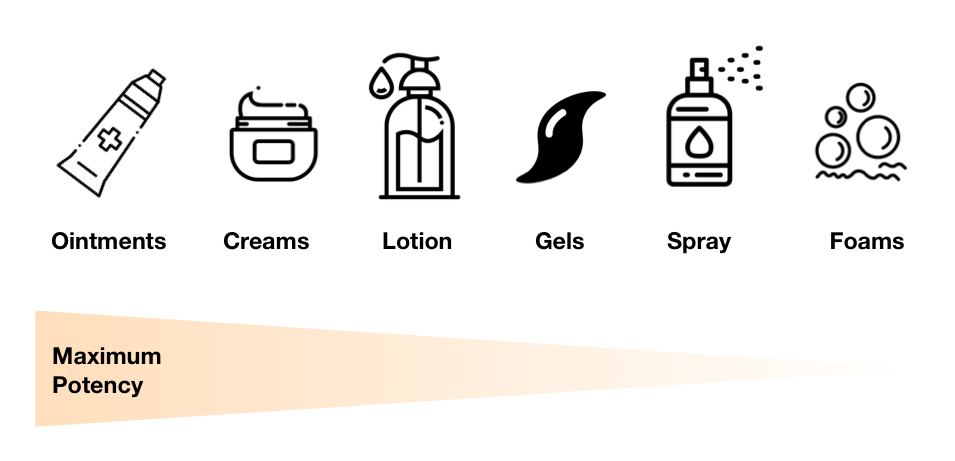
For this reason, different formulations such as foams, lotions or body washes are required for such large area. The problem with this type of formulation is that they are the least potent form of drug delivery system which deliver the least amount of active ingredient (benzoyl peroxide or salicylic acid etc).

fig. Potency of topical formulations
Icons credits CC-BY: 1, 2, 3, 4, 5, 6

Why see a dermatologist for truncal acne?

Treatment of truncal acne follows the same principle as for facial acne. The treatment will vary among individuals and depending on the severity of the acne. Unfortunately, there is still no definite cure for this condition. One ray of hope is that truncal acne has lesser chances of scarring as compared to facial acne. The treatment options available are limited and for optimal results, consistency and long term maintenance is necessary for better control of the breakout and minimizing the chances of scarring.

A thorough evaluation by a dermatologist is necessary, for assessment of the severity, other relevant medical or drug history which may be the cause of the acne or to rule out any medical contraindication to a specific acne treatment.

There are many other conditions that can resemble truncal acne. Some of these conditions are acneiform eruption (acne caused by certain medications such as anabolic steroids, anti fungal drugs, or exposure to insectisides, mechanical trauma as seen in areas of contact with bra straps), gram negative folliculitis, and P.follicultis.

All red bumps on the back or chest is not acne.

Treatment options available for truncal acne

For mild truncal acne, a topical benzoyl peroxide wash available as 4%, 8% and 10% creamy wash once a day for at least 12 weeks. Washes are applied to the entire back and chest at the time of shower for a contact time of 20 seconds followed by rinsing with normal water. The method of application as stated in the article “Benzoyl Peroxide Cleansers for the Treatment of Acne Vulgaris: Status Report on Available Data”

Mild truncal acne

“20-10 approach” of gentle massage application to lightly moistened skin (a 20-second contact time) and gentle rinsing over an approximate 10-second period.

A longer contact time of more than 20 seconds may cause some irritation. Another drawback of benzoyl peroxide is that it can cause bleaching of the clothes that comes it contact with.

Benzoyl peroxide 4% (brevoxyl creamy wash) available in India

For moderate acne, addition of a topical antibiotic such as clindamycin available as foam cleansers can be beneficial. A systemic antibiotic may be required if response to the above topical medication is poor. Recently, topical dapsone (antibiotic) has also been shown to help improve truncal acne.

For severe acne, or truncal acne that fails to respond to the above mentioned treatment, systemic management with retinoid (isotretinoin) or hormonal therapy such as oral contraceptive pills are indicated. These treatment will require a thorough clinical assessment and certain baseline blood investigations prior to the initiation of therapy. Regular follow up will be necessary with such treatment.

Which soap to choose?

A recent study has shown that the pH of the skin at the back is higher compared to the pH of the skin on the face and chest. This alkaline pH at he back favors the growth and multiplication of Propionebacterium acnes in these areas which then contribute to the etiology of truncal acne. Avoiding soaps that can further increase this pH will be beneficial. Opt for a syndet (i.e. synthetic detergent) bar or body washes with neutral pH for example dove soaps are syndet bars which does not alter the skin’s pH.

It’s important to remember that similar to facial acne, truncal acne can be controlled with the occasional flare but with a consistent regimen the number of breakout can be reduced and scarring can be prevented. One gentle reminder which all of us are aware of yet fail to comply is to avoid picking on the acne.

Vitamin C for skin care

When I first read the chapter on “Nutrition in Dermatology” during my course of residency, I came across this quote before the start of the section on Vitamins which grabbed my attention “If less is good, is more better?”

As we all know, vitamins are micronutrients (they are required in small amounts for the normal bodily functioning). With this knowledge, misconceptions of vitamin supplementations sprang up for various health benefits most of which are vague and commercialised for improvement of our general “well being”. The only indication medically for vitamin supplementation is for proven deficiencies of a certain vitamin.

In dermatology, only Vitamin A (retinoid) and Vitamin D are approved by the Food and Drug Administration (FDA) for specific diseases; Vitamin A for acne, psoriasis, cutaneous T cell lymphomas and Vitamin D for psoriasis. I will get into the details of these in later posts.

Let’s go back to the subject at hand: Vitamin C is a water soluble vitamin derived from our diet. Bell peppers, broccoli, spinach, tomatoes, citrus fruits such as oranges, lemons are its richest source. Vitamin C deficiency can cause a condition called “Scurvy” which presents with bleeding gums, fragile skin and hair abnormalities. This use to be a common disease for sailors around the fifteen century, since there were no refrigerators to keep fruits and vegetables fresh during long journey at sea at that time. The famous Portuguese explorer Vasco da Gama, the first European who opened the sea route to India reportedly lost hundreds of his sailors to scurvy.

Can you see any oranges? Neither did the sailors on board this ship.

The recommended daily allowance (RDA) of vitamin C is around 60mg per day and if you’re wondering how much that actually means think of the weight of a single grain of wheat. This can be obtained from both vegetable and fruit we consume daily. So unless you’re not eating your vegetables or fruits you’re unlikely to be deficient in vitamin C.

What research says about the role of Vitamin C in our skin?

From the observation that Vitamin C deficiency can cause fragile skin which would bruise easily with minor trauma and poor wound healing, it was obvious it has a definite role in the normal functioning of the skin.

Vitamin C plays an important part in formation of collagen which is the main structural component of the dermis responsible for the tensile strength of our skin (the ability of the skin to resists breakage under tension). Studies have shown that Vitamin C actively accumulates in the superficial layer of the skin (epidermis) however the level of Vitamin C in the skin does not increase beyond the maximum level reached in the blood; which means supplementing oral vitamin C is unlikely to have any additional effect on the skin.

Vitamin C is an anti oxidant. It helps removes the reactive oxidative species (ROS) from the epidermis (superficial most layer of the skin). These ROS are produced by various biological reactions that occurs in the skin from environmental exposure to Ultra Violet (UV) radiation, pollutants or smoking. ROS are thought to be responsible for accelerating the ageing process evident on the skin as dry, wrinkled skin with loss of elasticity. It has been shown in some studies that the concentration of Vitamin C is lower in ageing skin. The anti oxidant property of Vitamin C has been extensively researched, which led to the emergence of the use of this vitamin as an anti ageing ingredients in your skin care products.

As an antioxidant, it has been shown that Vitamin C can protect against both UVA and UVB induced sun damage. Therefore it has been incorporated in certain sunscreens either alone or with Vitamin E.

Another benefit of Vitamin C is its ability to decrease melanin (brown/black pigment) production by inhibiting the enzyme called tyrosinase required for melanin synthesis. Therefore it has been marketed in skin care products as an “anti blemish” , “glow enhancer”, “glow boosting” must have product for that clear, pigmentation free skin.

With such juicy beneficial effects of vitamin C on the skin, boomed the common practice of applying self made home remedies consisting of various concoctions of lemon or tomato juice in the name of science. This however is the biggest mistakes people make. And yes I was one of those people who would try all sorts of home remedies for my skin. It took me almost 9 years and two degrees to open my eyes to such nonsense. But I did learn from my mistakes. I’m hoping you guys would learn earlier from such posts.

Not only are these home made remedies ineffective, they also have potential side effects. Just because they are obtained naturally and are “chemical free” does not mean it is without any risks. These home made or do it yourself (diy) concoction contains various other components apart from vitamin C. And for some individuals, these may lead to allergic or irritant dermatitis. I’ve seen a patient during my residency walk in to the clinic with red inflamed cheeks after topical application of tomato paste to her face as a “diy face mask”.

“Nothing is more dangerous than incomplete knowledge”
Image source:Photo by Apostolos Vamvouras on Unsplash

Do commercially available Vitamin C products work?

For vitamin C to be able to perform all the above function in the skin, Vitamin C in skin care products has to be carefully and accurately formulated to deliver the active and stable form of Vitamin C at a pH of <3.5 which enables the molecule to be absorbed through the layers of the epidermis (superficial most layer of the skin). The efficacy of a vitamin C product also depends on the concentration, with higher concentration being more effective, the minimum concentration being 8% with a maximum of 20%. Concentration >20% are not more effective and are likely to cause more irritation instead. The entire process can be tricky. Vitamin C is highly unstable and gets easily oxidised on exposure to air which is indicated by the yellow brown discolouration of the product when its completely oxidised. The product will be ineffective at this point. Also as Vitamin C works synergistically with Vitamin E to perform the same function as an antioxidant, most research has been focussed on this combination.

Therefore with such strict parameters to put in mind, the development of Vitamin C for topical use is not an easy or cheap process and not all companies are able to deliver this in their skin care products.

Vitamin C is available commercially as creams, serums, scrubs. Creams contain various other components called vehicle in which the active ingredient and in this case vitamin C is suspended. Vehicles are usually preservatives, and other ingredients which helps in moisturising. The problem with this type of formulation is that the release of the active form of vitamin C that can be absorbed into the skin is uncertain. Also creams, scrubs so not contain adequate concentration of vitamin C. Research has shown that a concentration of at least 8% is required for topical vitamin C to work. Such a concentration are available as serums which are the newest form of skin care product that contain large and adequate amount of the active ingredients with very minimal additional components.

When and how to incorporate Vitamin C to your skin care regimen

Lets recap the benefits of Vitamin C for our skin. First, it protects against UV (UVA and UVB) induced sun damage. Secondly, it acts as an antioxidant and helps in collagen formation which will help reduce signs of ageing. And lastly, it can be use as a depigmenting agent hence beneficial for post acne pigmentation, sunspots, melasma and other pigmentary disorders.

So if you’re looking for something that can perform the above function for your skin, Vitamin C is worth a try. Years of research on topical Vitamin C serum shows that long term daily use of a topical vitamin C serum, does provide great results such as decrease in the number of fine lines, a more even skin tone with decrease in pigmentation.

So when buying a Vitamin C containing product remember that not every product available in the market actually does what it claims.

Do not jump at the sight of “Vitamin C” label, check for the concentration of Vitamin C, preferably go for the one with at least 10% concentration. Always opt for a serum instead of a cream. Research about the company, read the reviews before buying because a legit Vitamin C serum will burn a hole in your pocket.

Vitamin C serums are to be applied daily once in the morning after cleansing your face followed by a moisturiser 5 mins later. The amount will depend on the company’s instruction, usually 3-4 drops is the recommended. But I would advise to start slow, with a lower concentration or fewer drops and work up to the number of drops recommended as it can cause some mild irritation and dryness initially.

Conclusion

Vitamin C like other vitamins are vital for life and are required in very small concentration. Our body receives the perfect amount of vitamins from our diet. So when it comes to vitamins

“Less is definitely good, but more does not equate to better. In fact, more is unnecessary.”

Vitamin C can be beneficial for your skin when applied topically with a correctly formulated products that delivers the right type and amount of Vitamin C and for indications like anti-ageing, photoaged skin where levels of vitamin C in the skin has been shown to be lower than younger skin. Oral Vitamin C supplementation is not indicated except for the treatment of Scurvy (Vitamin C deficiency disorder). And homemade Vitamin C remedies does not deliver the same effect as one expects when reading about the benefits of vitamin C on the skin.

Featured image courtesy:Photo by Noah Buscher on Unsplash